Tag Archive | Travel

Desert Botanical Garden

Phoenix, AZ

035

I credit my love of plants and flowers to my dear grandmother. She was one of those people that could grow just about anything and loved all kinds of flowers, caterpillars, bees, and butterflies.  It was from her that I learned names of insects, plants and flowers. She taught me how things grew and how to care for them. Today, I share my grandmother’s love of gardening and currently have a house and yard full of blooming things. Some friends and family might even say that I may have “a problem” (especially with my collection of orchids!).

076

While planning a trip to Arizona this past May, the Desert Botanical Garden kept popping up on my “things to do” research. After reading several articles and reviews about DBG, I knew this place was something I definitely wanted to check out. Luckily I had a couple of like-minded friends traveling with me, so a day was set aside for us to check it out. Bags were packed. Agenda was planned. Arizona, here we come!
063

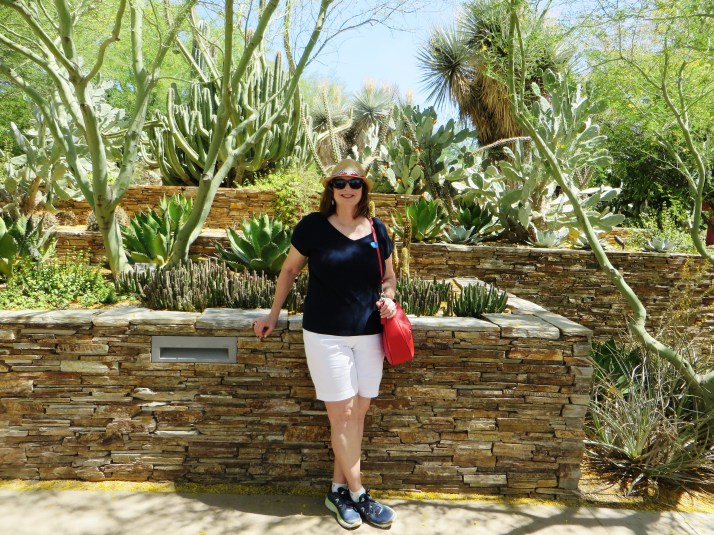
The Desert Botanical Garden is located in Phoenix on 140 acres – 55 acres being the actual garden. It is nestled among the gorgeous red rocks of the Papago Buttes in the Sonoran Desert.

The DBG was actually started in 1939 when a small group of concerned citizens saw the need to conserve this area with its flora and fauna in a modern, fast-changing, and destructive world. Hats off to this far-seeing group of conservationists for this is now the home for several rare and endangered species of desert plants found no where else in the world.

036

On the morning of our visit, parking was free and plentiful. Beautiful yellow Chihuly sculptures welcomed us at the entrance – that was an added bonus for me! A wonderful volunteer (thank you, David!) quickly approached my group of five women just inside the entrance gates. He gave us a map, some great tips, reminded us to drink our water, and had a joke or two for his captive female audience. He was most friendly and helpful, as were all the other volunteers we met throughout our day in the gardens.

039.jpg

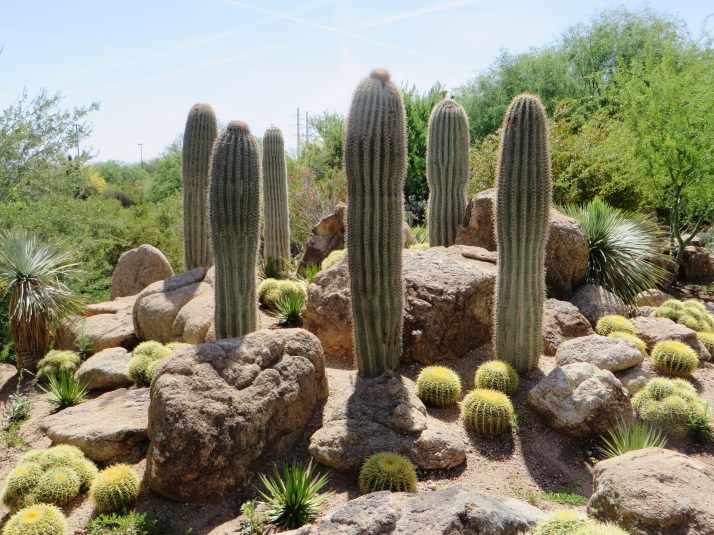
There were five main thematic trails in the gardens to be explored. Each garden trail was well-maintained with easy-to-follow signage. There were restrooms, water stations, and plenty of shaded places to sit and take a break from the desert sun. Every turn had something new and surprising. We wandered through the 50,000+ plants! All of the cacti, trees, and flowers were showcased in beautifully landscaped, outdoor exhibits – each more spectacular than the last.
des4des3

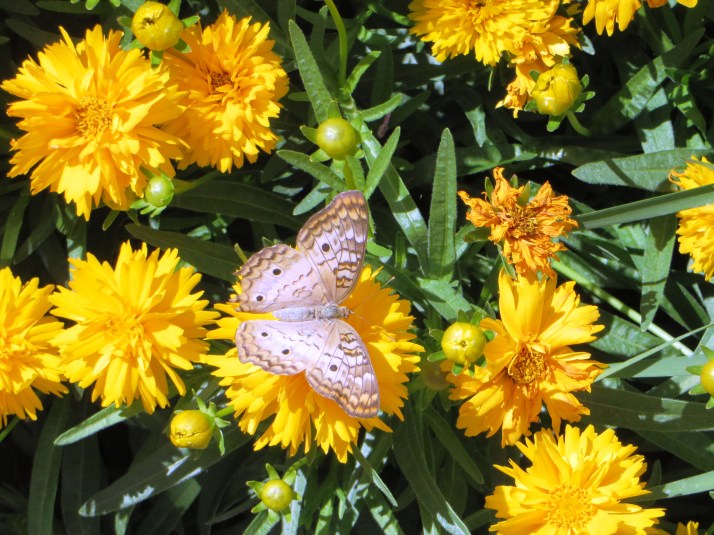
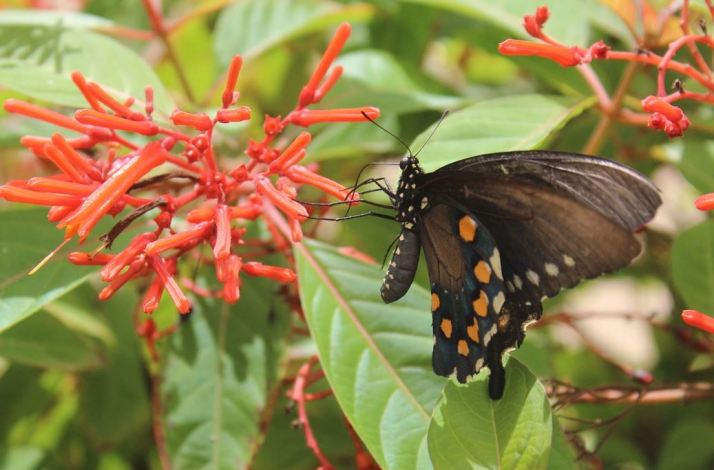
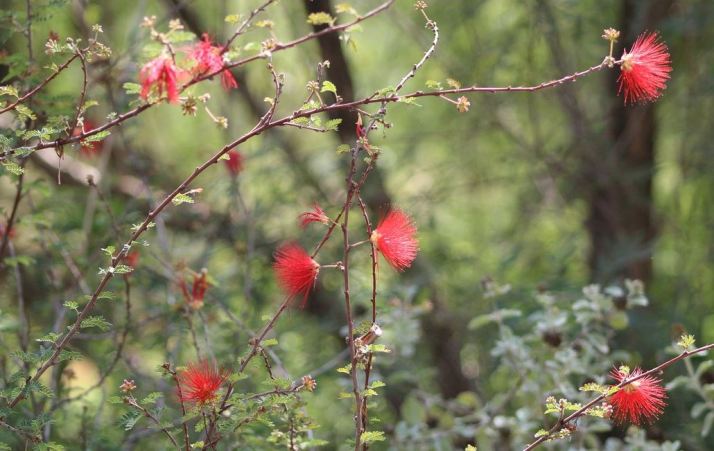
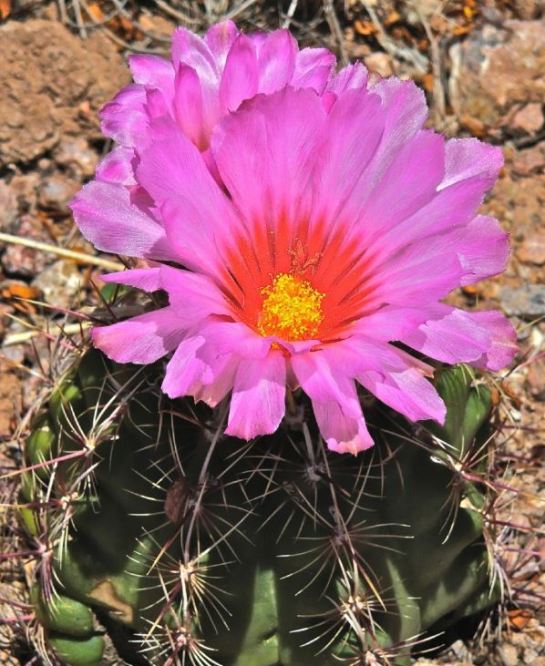
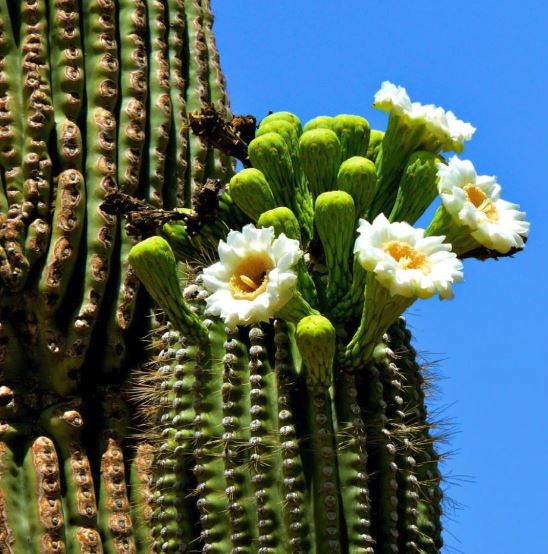
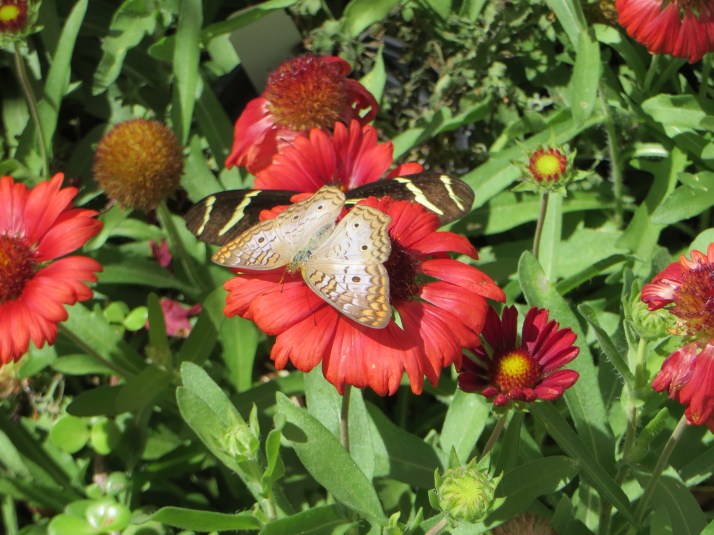
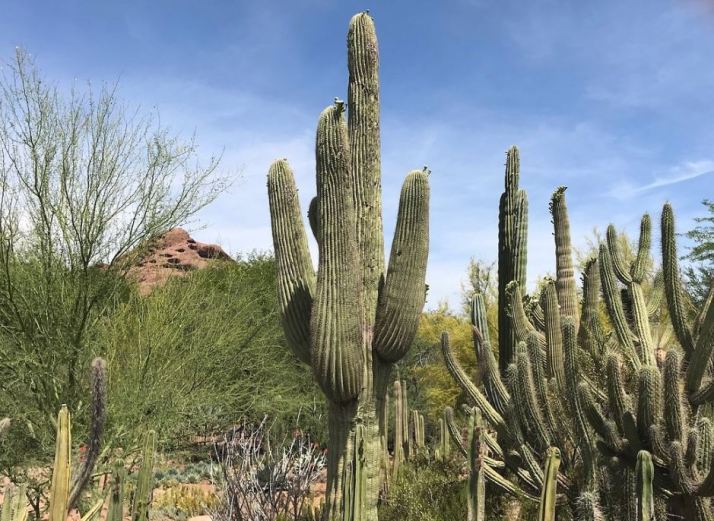
We walked under huge, towering cacti. We gawked at the colorful desert wildflowers. We enjoyed the shade under lush desert trees. We were buzzed by iridescent hummingbirds. We spotted doves sitting on their nests high up in holes of the gigantic saguaro cacti. We dodged huge bumblebees and butterflies that were searching out the brightly colored red, pink, orange, yellow, and purple blooms all around us. It was all wonderful. Mother Nature was alive and well in the desert.
054

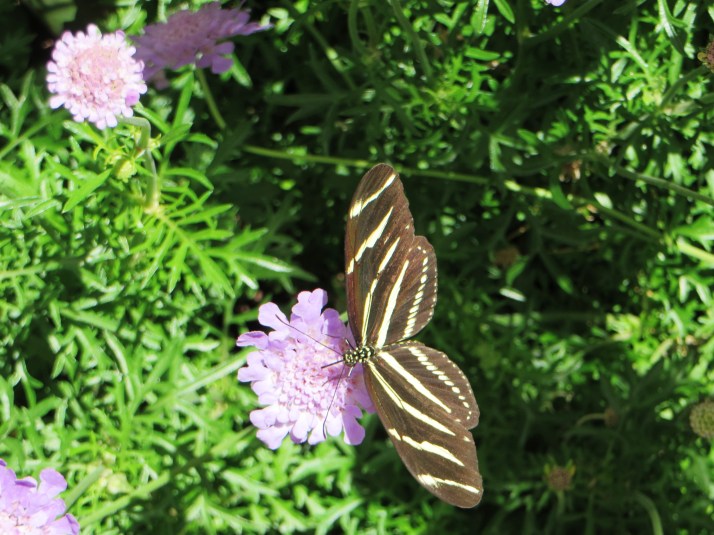
My favorite memory of the day was our visit to the Butterfly Pavilion. I have visited several butterfly exhibits in several different places throughout the years, but this one was by far the best. You could not step, stand, or walk inside the pavilion without sharing space with a brightly colored butterfly! They were everywhere!! The butterflies were gorgeous and all the flowers were breathtakingly beautiful. It was a sensory overload of colors and I loved every minute of it.
046

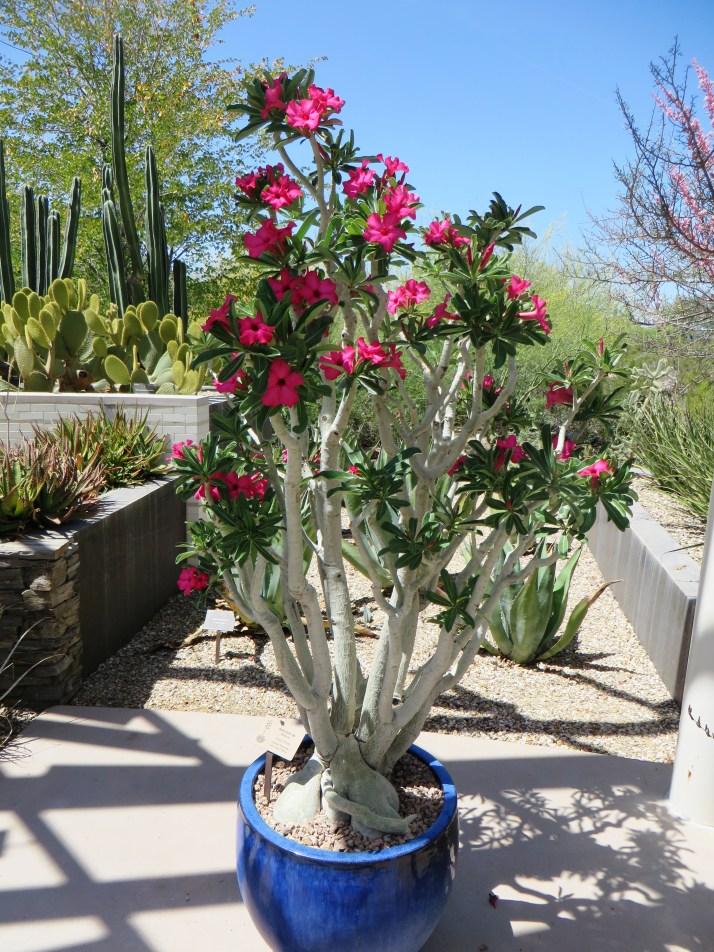
As we followed the trails through each area, we saw many beautiful displays of plants and flowers. There were huge decorative pots, fountains, water walls, sculptures, native art, sundials, trellises, gardens, etc. We even saw squirrels, lizards, and native birds.  Every area was picturesque and every turn brought something new and interesting.

089

My main regret visiting here is that we just didn’t have enough time.  A night-time visit would have been perfect. The Desert Botanical Garden hosts several night events including a florescent “Electric Desert Show” and  a “Flashlight Tour” (here snakey, snakey!). They also offer all types of gardening classes and specialized tours, as well as concerts and musical entertainment. This just gave me more reasons to return in the future!
067

The Desert Botanical Garden was truly exceptional. The volunteers were all very friendly and helpful. The cacti and trees were spectacular and some were most unusual. The flowers and butterflies were gorgeous. The gift shops were first class. There is not anything negative that I can report on this fantastic place. It was hot – as are most deserts – so dress accordingly, take water and wear hats.  I would suggest going early (as we did) or at night and certainly not in the heat of summer. I do hope all of you plant-lovers get a chance to visit this wonderful place and enjoy it as much as we did.

For me, it was a lot like stepping into a Georgia O’Keeffe painting – pure desert magic!
des5082045des1des2

ShangriLlama

Royse City, TX

5759_2

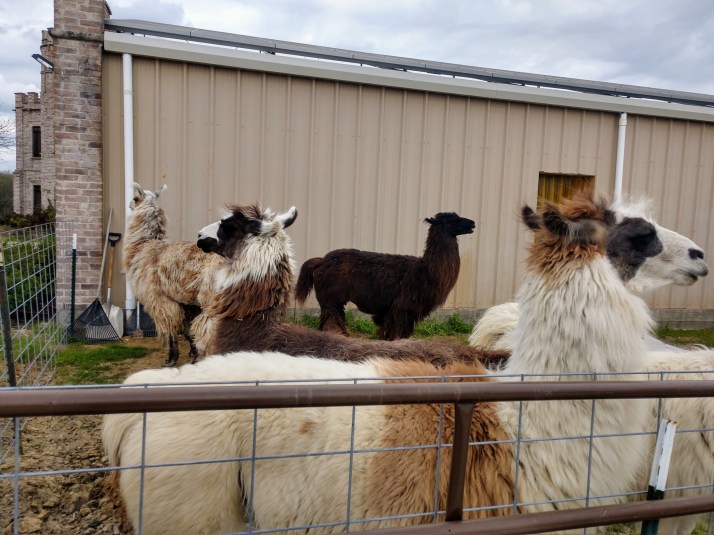
If you are wondering if you read that title correctly – you did! ShangriLlama is named after the mystical Himalayan utopia from the novel Lost Horizon. This newly-named “Shangri-La” in rural Texas is home to a replica of an Irish castle, numerous barns, pastures, and a woolly pack of pedigreed llamas.

IMG_20190323_124615259

The owners of ShangriLlama offer pre-booked educational visits, llama walks, llama parties, and llama lessons. I had the privilege of attending a couple of the Llama Lessons – once with friends and more recently with my two adult children. We had a blast!

IMG_20190323_142111350_HDR

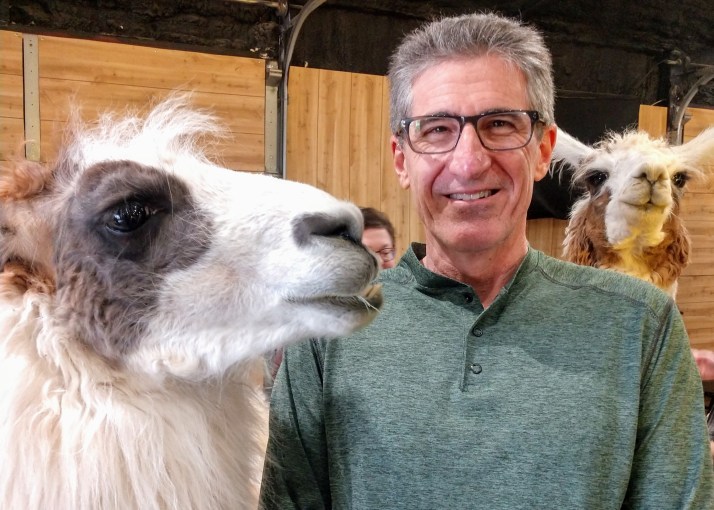
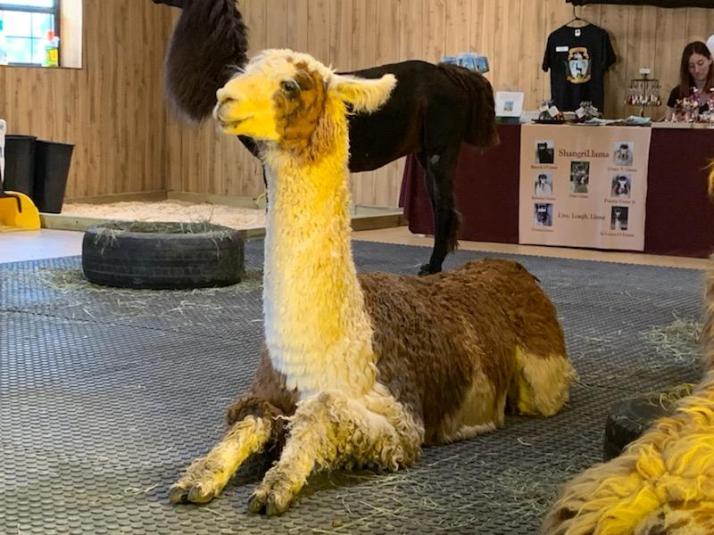
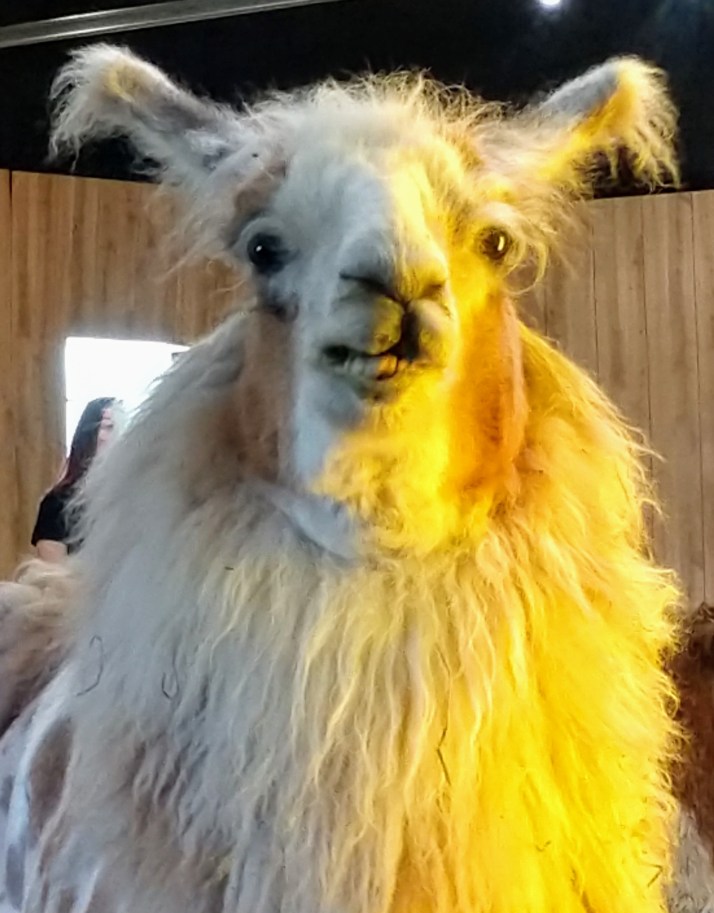
Llama lessons are one-hour sessions held in the castle’s fully enclosed and climate-controlled barn. This experience is a little hard to explain but I will give it a try! Once parked on the castle’s sprawling property, you follow the signs, check in, and enter a very nice barn. In the middle of the room, standing on a padded floor and munching on hay, are a pack of gorgeous, multi-colored, four-hundred pound llamas!

IMG_20190601_110940928

You are then encouraged to mingle and wander all around these gentle creatures. Touch them, take photos (a couple will pose for selfies!), feel their different coats, and get up close and personal with each one. They do not kick. They do not bite. They do not smell. They are simply mesmerizing! 

IMG_20190323_135451555

Once everyone has arrived and had plenty of llama interaction time, visitors are asked to sit along the barn walls on padded benches. Mama Llama (owner Sharon Brucato) hooks up a microphone and greets everyone before beginning the informative talk about her beloved llamas – myths and facts.

IMG_20190323_124811418

Some of the myths: Llamas don’t spit on people. They spit on each other as they challenge another for rank in the group or if a fellow llama invades their territory. Sometimes people do get caught in the crossfire, but spit is never intended for humans. Good to know! Llamas also do not kick people. They can kick, but only kick predators such as coyotes that threaten their life. Llamas also do not bite. They do not have any upper front teeth and they have no inclination to bite anything or anybody.  After learning these facts, it was easy to understand how all of us were just turned loose in a barn full of llamas with no prior warnings, rules, restrictions, etc.  They are very safe creatures to interact with.

IMG_20190601_110220887

Mama Llama introduces visitors to each of her llamas and gives their age, background, personality, and rank.  Dalai Llama, Barack O’Llama, Como T. Llama, Bahama Llama, Pajama Llama, Drama Llama, and Sir Lance-O-Llama all sit, lie, or stand around quietly munching on their hay as we are told facts about their ears, sounds, coats, feet, diets, breeding, medicines, and likes and dislikes. It was all very interesting.

IMG_20190323_125254391

Did you know that llama sweat glands are in the lower legs? The smell is similar to popcorn! Did you know a llama can run as fast or faster than a horse? I didn’t know that either – they can run 35 miles per hour! Did you know that llamas can be litter box trained like a cat? We saw this first hand. Did you know that three of these llamas are stars? One was in a detective show, one is in a Game Stop commercial, and another is the mascot of a Dallas hotel. How cool is that?


This was such a enjoyable morning! I had no idea that llamas were such sociable animals and this interactive experience was so much fun. Hanging out with llamas is certainly not something I get to do everyday and I think all of us – friends and family alike – loved our “llama lessons.”  If you love animals and this sounds like something you would enjoy, contact ShangriLlama and book your own llama experience. I hope you enjoy these cool creatures as much as we did!

9041Note: ShangriLlama is a gated, private home owned and operated by the Brucato family. For their privacy and for the safety of their animals, the address is only provided when a reservation is made. All activities require an advance reservation.
IMG_20190323_140830405IMG_20190601_101220372IMG_20190323_130039691_BURST000_COVER_TOP

Yosemite Valley

California

IMG_20190408_064531960

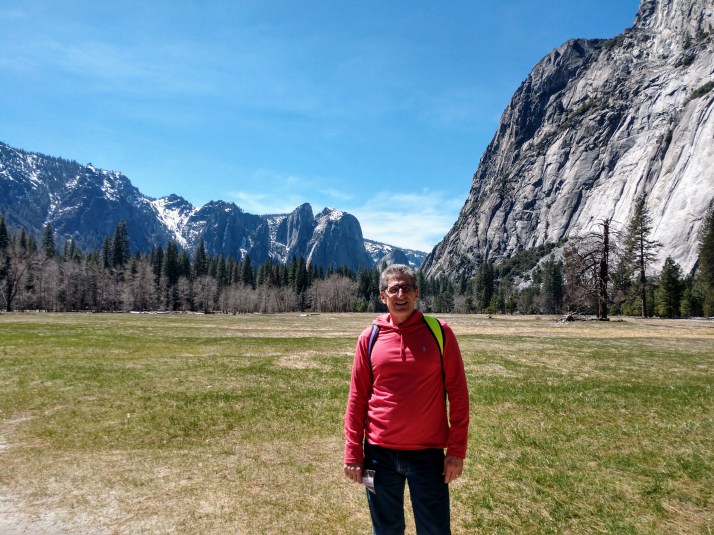
In early April this year, my husband and I visited California and explored three national parks – Sequoia National Park, Kings Canyon National Park, and Yosemite National Park. My previous blog detailed our trip to the first two parks and our journey along the Majestic Mountain Loop. Now we venture on to Yosemite.

After spending a busy couple of days exploring the previous two parks, we drove to Oakhurst, California and spent the night in this lovely little town located fourteen miles south of the entrance to Yosemite National Park. We felt like we needed some rest, a good meal (had some great Italian food!), and some time spent outside of the rental car. It turned out to be a smart choice for us.

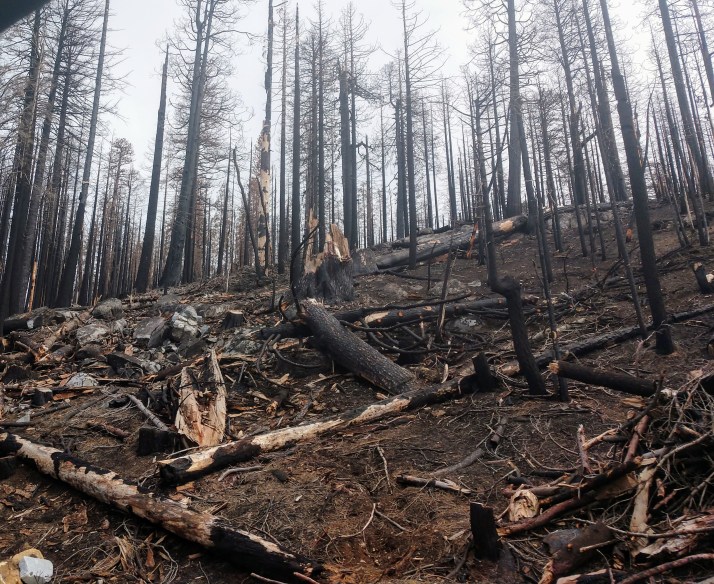
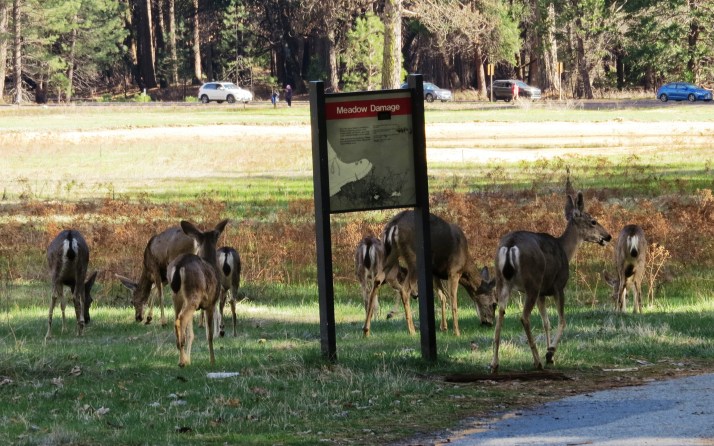
We awoke that next morning, had a great breakfast, and began our short drive to the park. It was only a twenty minute drive until we crossed the border into the park but little did I know that Yosemite Valley and our hotel were at least 90 minutes ahead. The slow speed limit, road construction, winding roads, morning traffic, and park entry lines took a little longer than expected. Luckily, the drive was entertaining. We spotted mule deer by the roadside. I enjoyed seeing the snow that was still packed on the shaded sides of the road from the heavy winter snowfall. We passed through acres and acres of total devastation from last summer’s horrendous forest fires (this caused the traffic delays with crews removing trees and debris from the main road). Overall, it was an enjoyable and very scenic drive. About an hour into the park, following the curvy mountain roads – we entered Wawona Tunnel.

IMG_20190406_120110936

All I can say here is WOW!

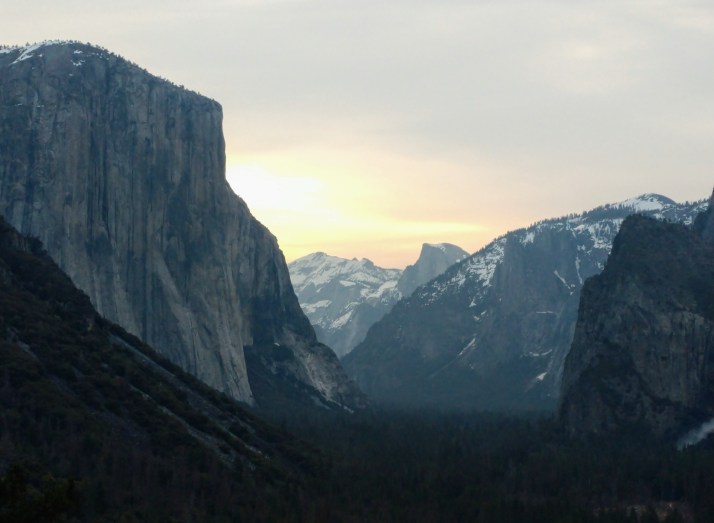
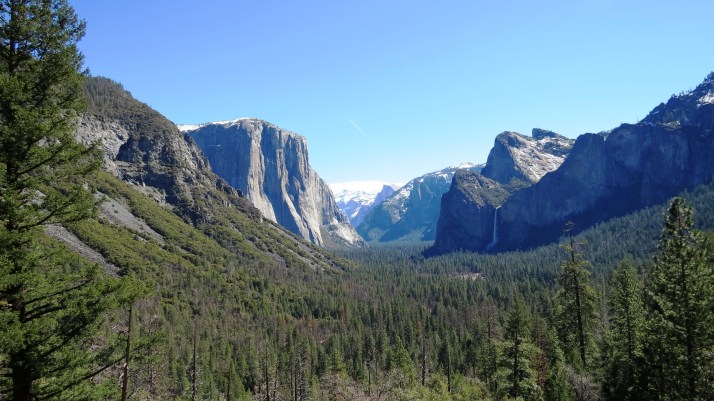
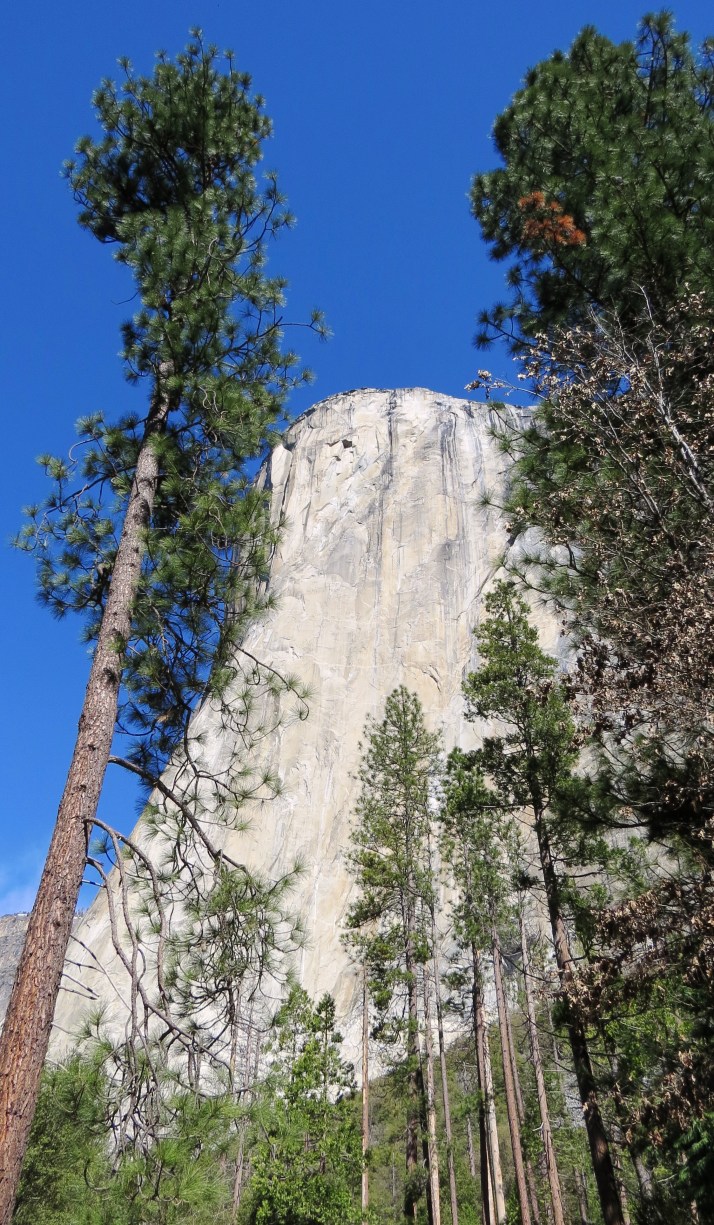
You exit the tunnel and you are at Tunnel View, the first of many astonishing sights. This view places you at one end of the valley looking straight out at Half Dome, El Capitan, granite walls, waterfalls, rivers, and vast evergreen forests. I understood immediately why this valley is referred to as “one of the most beautiful places on earth.” The Yosemite Valley is only seven miles long and two miles wide and this lookout point pretty much presents it to you in all its glory.  We parked in one of the large parking lots and joined dozens of others taking photos from this gorgeous, panoramic spot.

090

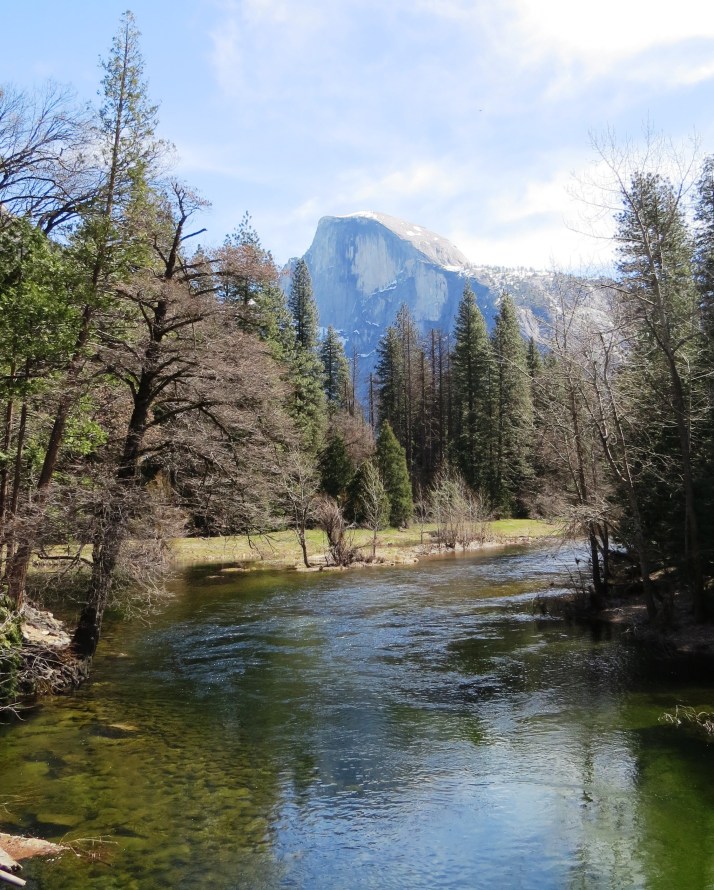
After this photo-op stop, we  drove down into the valley and followed the circular one-way road that leads you past all of the major Yosemite landmarks. Sights that I had only seen in books, photos, and on screens appeared before me in real life: Half Dome, El Capitan, Bridalveil Falls, Yosemite Falls, Cathedral Rocks, Arches Rock, and the Merced River. Everything was larger, higher, brighter, and more spectacular than I had ever imagined. I stood in the footsteps of John Muir and Ansel Adams and soaked it all in – another one of life’s “pinch me” moments.

097

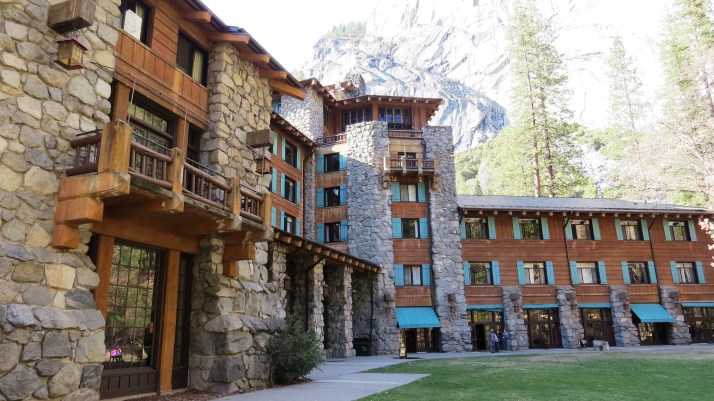
David and I were lucky enough to stay at the historic Majestic Yosemite Lodge (awesome place!) located within the park. The parking, rooms, restaurants, amenities, and location couldn’t have been any better. We could easily walk to several of the park sights or catch a shuttle at the hotel to venture farther. The free park shuttles run every 20-30 minutes and allow you to “hop on / hop off” at any stop within the valley – they were very convenient and saved us a lot of time.

077

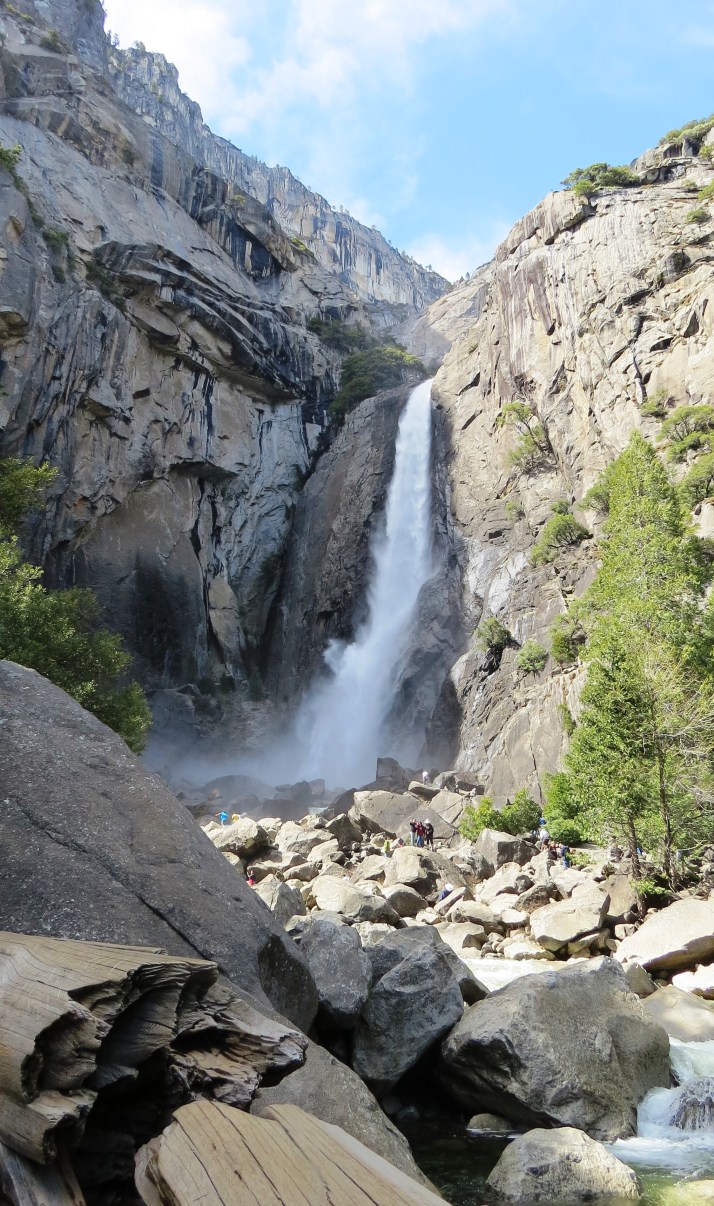
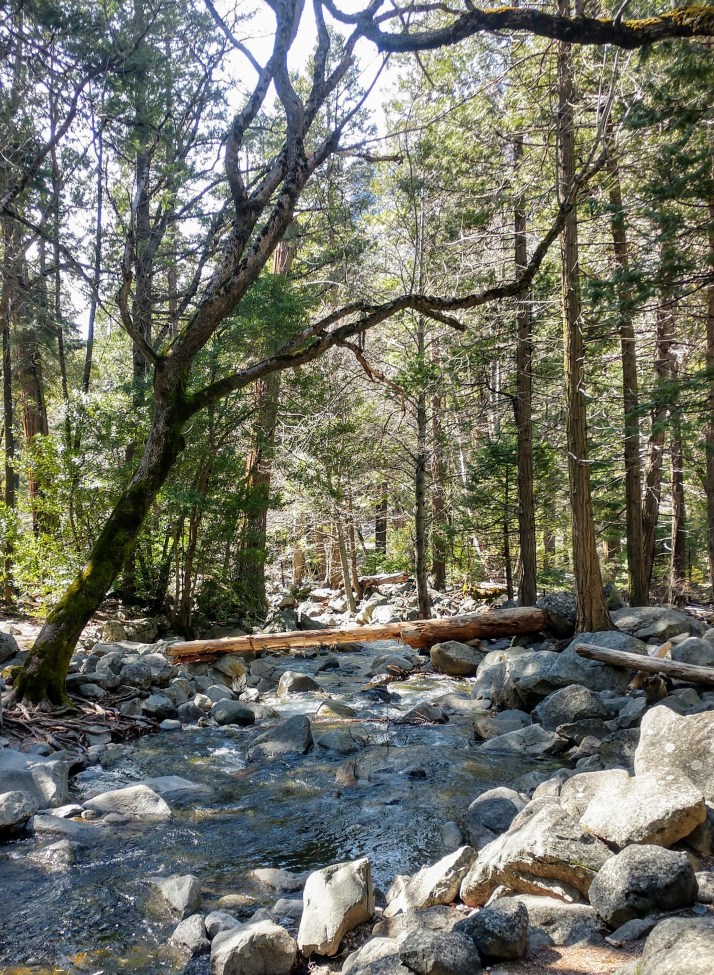
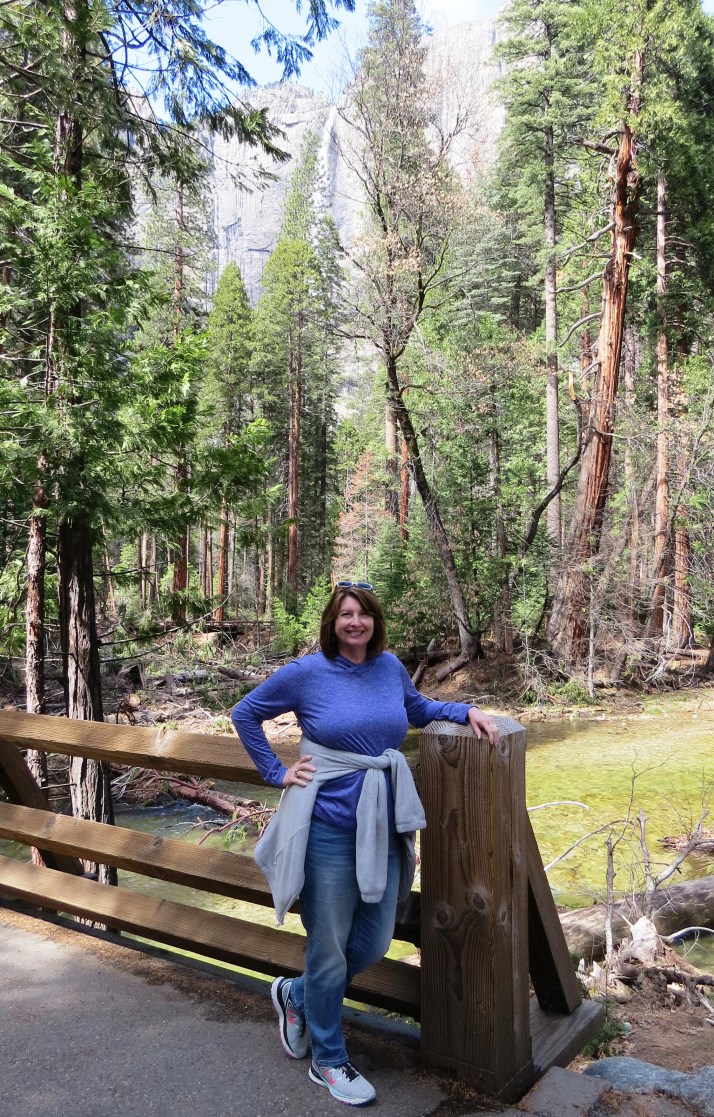
We hiked up to the rock-strewn base of the three-tiered Yosemite Falls. We hiked to the base of Bridalveil Falls and got drenched with the ice-cold spray. We walked the trails through Ahwahnee Meadow and stood still as a herd of deer fearlessly walked by us. We stood and gazed up at the gigantic El Capitan. We enjoyed the visitor’s center and  the film that covered the history of the park. We browsed through the Ansel Adam’s Gallery and saw photographs from this area that brought him fame and fortune. We walked along the Merced River and relaxed a bit on the beautiful, sandy Cathedral Beach. We sat out on the hotel lawn one evening after a fantastic dinner and watched the stars in the night sky. We took a two-hour guided bus tour of the valley and learned a lot about Yosemite’s history, geography, geology, wildlife, and sights we saw along the way that are not in the guide books. When all was said and done, we crammed as much into two days as we possibly could and enjoyed every second!

066081IMG_20190407_132243720

There was no way we could see as much as we wanted to in such a short amount of time, but we gave it our best effort. Yosemite National Park actually covers 1200 square miles and over 95% is wilderness, with the valley being a very small part of the whole park. Luckily, April turned out to be a perfect month to visit. The temperatures ranged from the fifties at night to the seventies in the day – and we experienced warm days, blue skies, spring flowers, and fewer tourists than other months of the year.

IMG_20190407_131512817

The hotel, the weather, and the sights of Yosemite Valley were all better than we could have ever anticipated. Everything seemed to work in our favor. My one and only wish that was not fulfilled was a bear sighting! Maybe next time…

IMG_20190407_130726246_HDRIMG_20190407_115642687_HDRIMG_20190407_150822539_HDR058072


Mission San Jose’

San Antonio, TX

IMG_20190224_142729302_HDR

I had a lovely girl’s trip recently to San Antonio and one of our highlights was visiting a couple of the old Spanish missions along the Mission Trail. I am quite the art history buff and had always wanted to see a couple of the missions besides The Alamo, which I always enjoy visiting. 

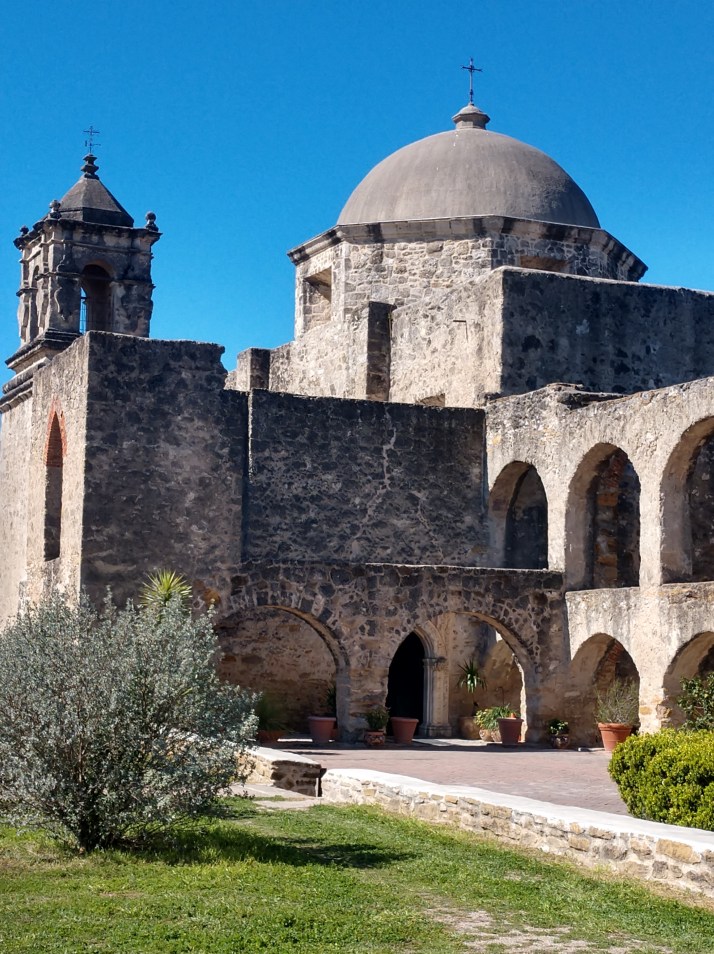
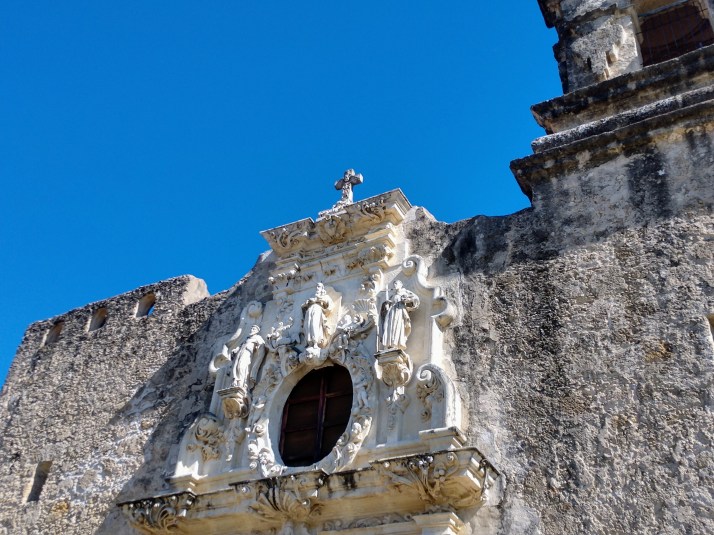
The Mission San Jose’ y San Miguel de Aguayo (proper name) is known as the “Queen of the Missions.” It was built in 1720, just two years after The Alamo was founded and only five miles downriver. Upon completion, it had the reputation of being the most beautiful church along the entire frontier of New Spain. It is the largest colonial mission still standing today.

img_20190224_153047078.jpg

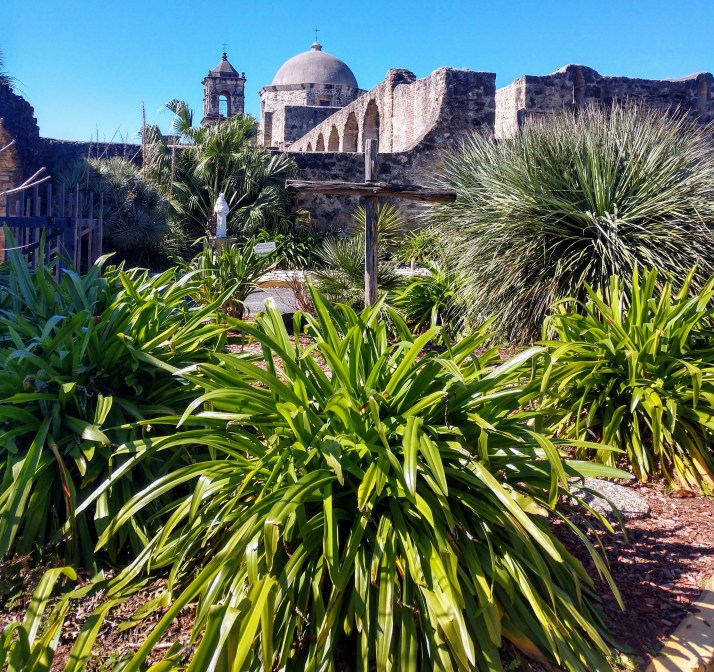
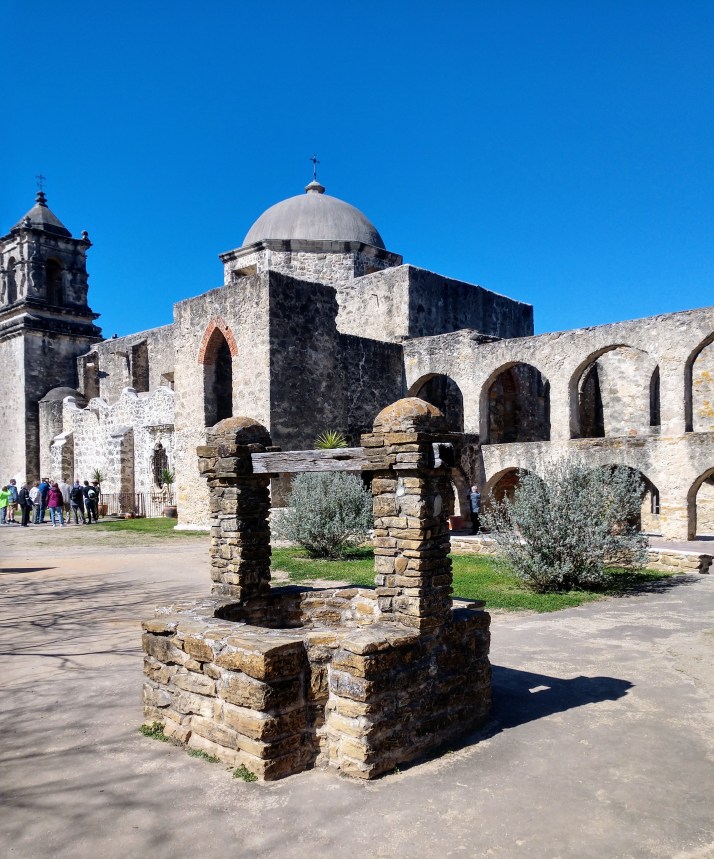
The five remaining missions are located near the San Antonio River and not far from downtown San Antonio. There is actually an official Mission Trail where one can walk, bike, or drive to each of the missions or just choose to visit a couple – which is what we did on this day. Mission San Jose’ was quite easy to find and parking was plentiful. We actually approached from the rear wall which gave us very impressive views of a garden, statues, the church, dome and bell tower.

img_20190224_142417591_hdr.jpg

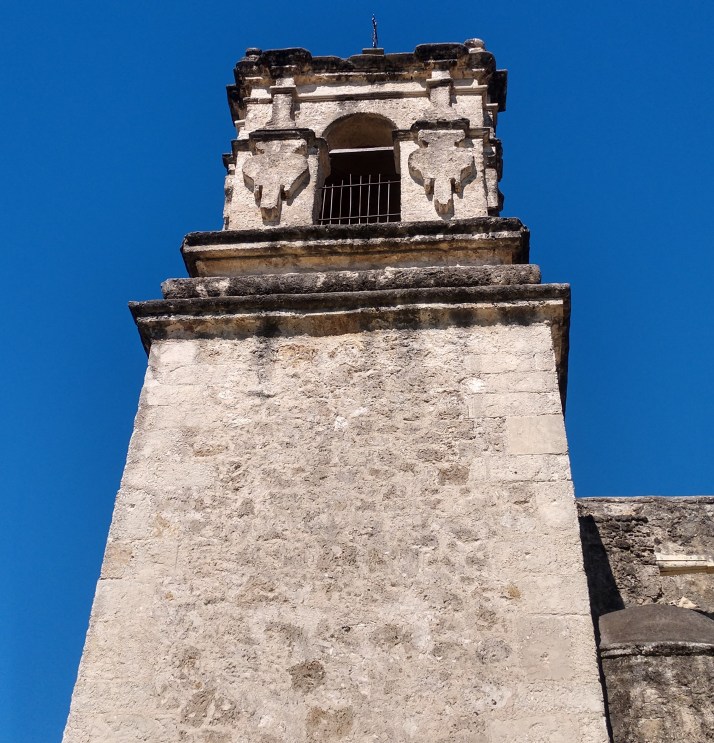
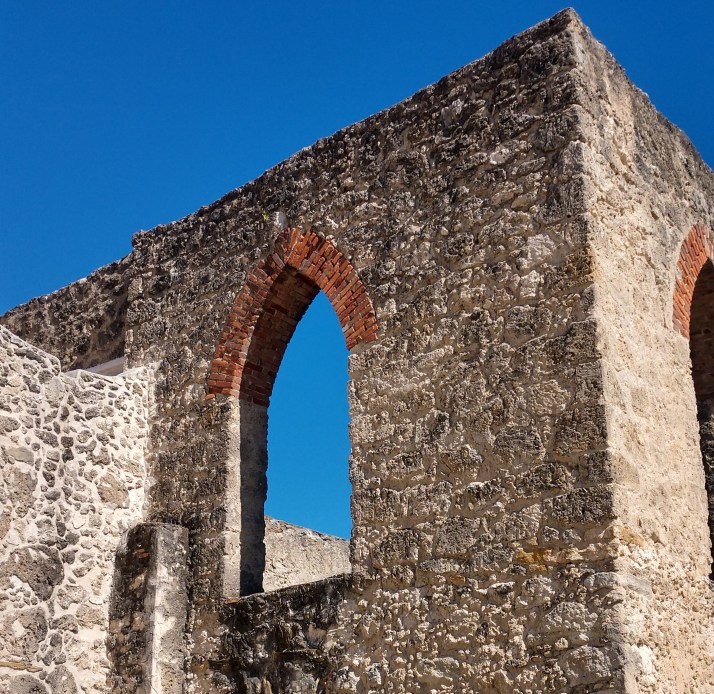
The church itself is quite stunning. It was constructed out of locally quarried Texas limestone by Spanish and Native American craftsmen. The flying buttresses, carvings, statues, bell towers, an ornate rose window, and quatrefoil patterns are very indicative of the European influence. The building surfaces are now worn and weathered but at one time were covered with brightly painted stucco. I imagine that 300 years ago the church facade was quite a sight to see with vivid blues, golds, and reds painted in large geometric patterns. I am certain the locals and natives had never seen anything quite like it!

img_20190224_143221008_hdr.jpgIMG_20190224_143308660_HDR

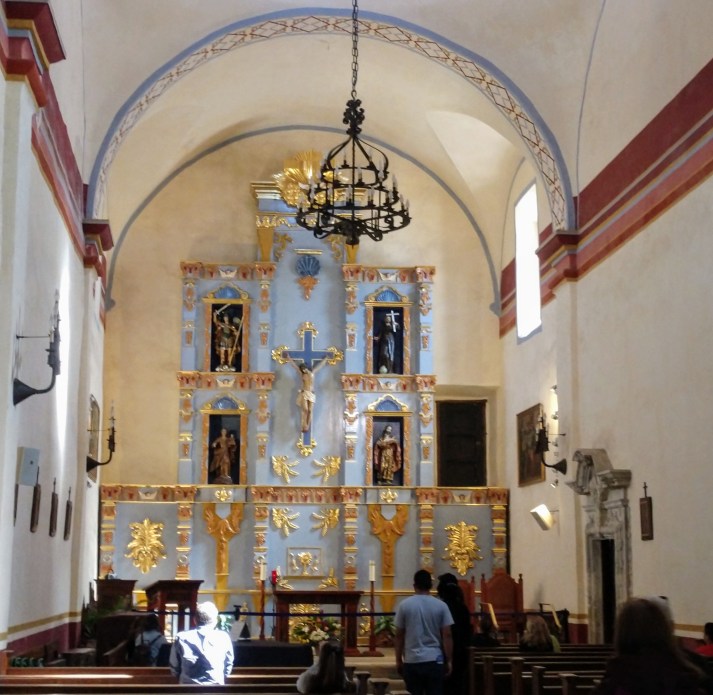
After walking around the outside of this main building, we passed through the large decorative doors into the sanctuary of the church. It was simple, ornate, and quite beautiful (regular services are still held here). We walked the expansive grounds of the mission and explored the walled fortification that provided workshops, storage spaces, a granary, visitor lodging, and homes for the priests and Native Americans. There were also wells and stone ovens scattered throughout the property that gave me a hint of what life was really like inside these walls in the 1700s.

IMG_20190224_143658880

img_20190224_144411256.jpgIMG_20190224_144922109_HDR

After exploring the property, we headed to the Visitor Center (located outside the walls) and enjoyed the displays and artifacts. We also watched a 23 minute film in the park theater that told the history of this mission, the land, and the people. It was most interesting and I highly suggest taking the time to learn more about Mission San Jose’ to fully appreciate its history and purpose. I now understand more about the pageantry, art, food, celebrations, and architecture of San Antonio after seeing how the blending of Spanish and Indian cultures began here and created the “Tejano” culture that we know today.

IMG_20190224_142850833_HDR

Mission San Jose’ is an expansive, well-maintained property that includes the historic mission and grounds, a book store, a visitor’s center, free parking, and restrooms. It is well worth a visit when in the San Antonio area. Very interesting!

IMG_20190224_142501789img_20190224_143119396_hdr.jpg

The five San Antonio Missions are actually part of the National Park Service and are also  UNESCO World Heritage Sites.  These missions represent the largest concentration of Spanish colonial missions in North America.  U.S. Park Rangers offer guided tours at Mission San Jose’  (check times at the visitor center).