Tag Archive | glaciers

Olympic National Park

Subscribe to continue reading

Subscribe to get access to the rest of this post and other subscriber-only content.

Glacier National Park

Montana

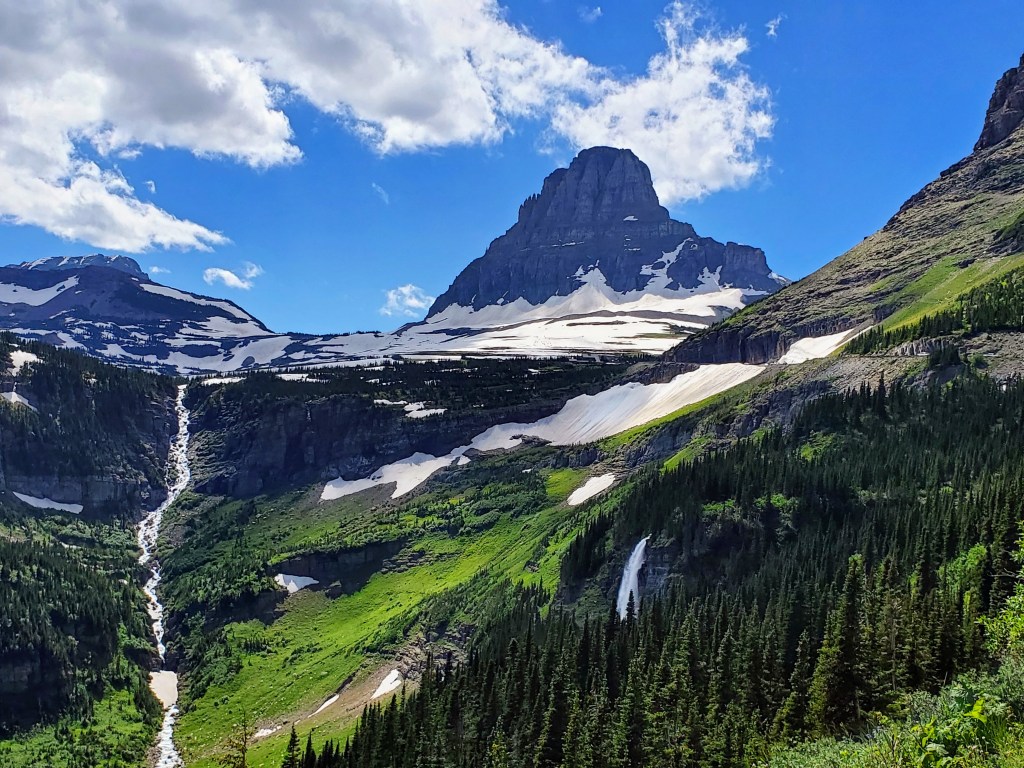
view at Logan Pass

I have an unhealthy fear of bears. The grizzly bear attack in the book/movie “The Revenant” still haunts me to this day. With that being said, why in the world did I choose Glacier National Park as a vacation destination? This is the one park where your chances of running into a grizzly bear or black bear on a trail, on the road, or in a parking lot are well above zero. Bear spray is a necessity at all times. Just great. What had I gotten myself in to?

I planned an itinerary, booked a cabin and rental car, got our park passes, purchased our vehicle registration, reserved our park road permits, booked flights to Kalispell, and my husband and I were off to great adventures. Montana, here we come. A canister of bear spray would become my newest and most valuable accessory.

West Glacier entrance

Why did we choose to visit Glacier National Park in spite of the bear population? Glacier National Park is one of the most beautiful of the US national parks and is nicknamed the “Crown of the Continent.” The park encompasses over one-million acres of glacier-carved peaks and valleys, two mountain ranges, pristine turquoise lakes and streams, meadows full of wildflowers, numerous waterfalls and ancient evergreen forests. It was established as a national park in 1910 after the Blackfeet tribe ceded the area to the government. Glacier National Park is the 10th most visited park (3.1 million annual visitors) making it not only one of the most beautiful, but also one of the most popular national parks to visit in the United States.
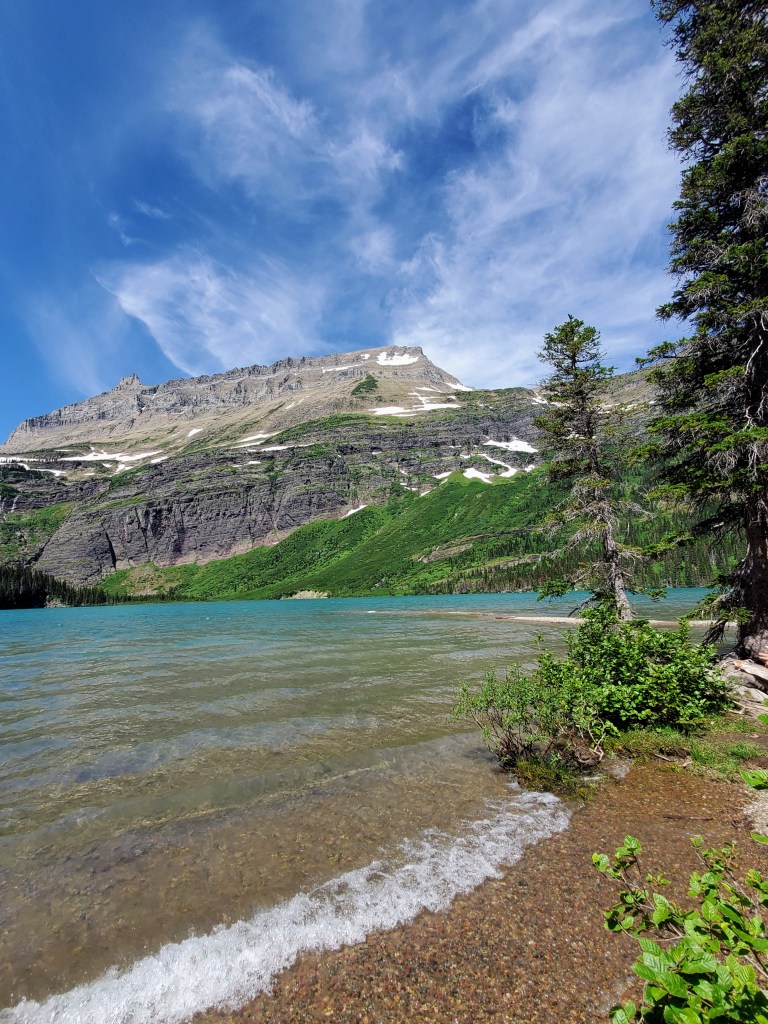
Grinnell Lake in Many Glacier

More park visitors over the last couple of years caused restrictions to be put in place that prevent overcrowding within the park, hence purchasing vehicle passes/registrations was necessary prior to our trip. We appreciated that the crowds were very manageable throughout our visit and we never had long lines or traffic problems.

tunnel on Going-to-the-Sun Road

There is one main highway that cuts through the center of the park, the Going-to-the-Sun Road (GTTSR). The scenic GTTSR connects the west entrance to the park with the east entrance (50 miles/2 hours drive time). We drove it easily and without any access issues due to the pre-purchased passes that were required for each vehicle driving within the park boundaries.

our cozy little cabin

I found us a great little Vrbo rental in Essex, Montana that bordered the southern edge of the park, perfectly located about halfway between the west and east entrances to the park. The cabin was clean, cozy, comfortable and well-stocked. We cooked breakfast each morning, packed up our picnic lunch, went on our daily adventure, and returned each evening to cook/grill our dinner. A large mule deer welcomed us on our very first morning and a mink and chipmunks scampered around near our firepit each day. We had found a great little “home away from home.”

behind Lake McDonald Lodge
the beautiful lobby at Lake McDonald Lodge

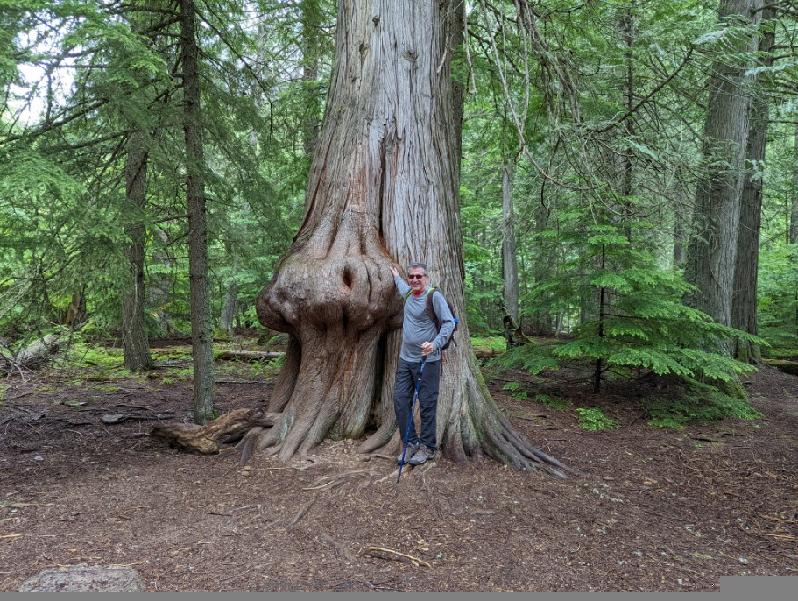
Day #1 – We drove through the West Glacier entrance that morning and headed to Lake McDonald, the largest lake in the park. We explored the historic Lake McDonald Lodge (built in 1914) and grounds before taking a boat ride on the beautiful lake. After a picnic lunch, we drove the Going-to-the-Sun Road and stopped at several turn-outs to view McDonald Creek and the amazing scenery along the way. Mid-afternoon, we parked and hiked The Trail of the Cedars. This was one of our favorite hikes! The trail was a raised boardwalk or gravel trail that winds its way through a thick forest of towering cedar trees. The highlight for us was the view of Avalanche Gorge from the trail with its turquoise water tumbling down colorful moss-covered rocks. The damp weather made it feel like we were exploring a rainforest. Even though it was a drizzly afternoon, nothing could take away from the beauty of this trail. We loved it!
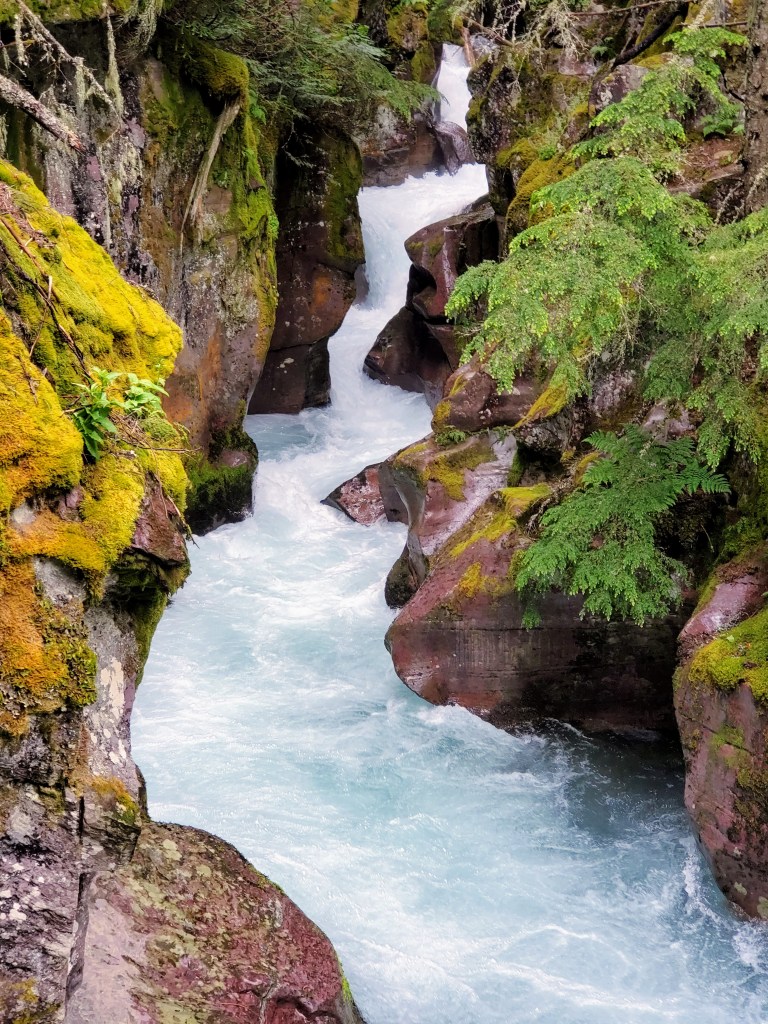
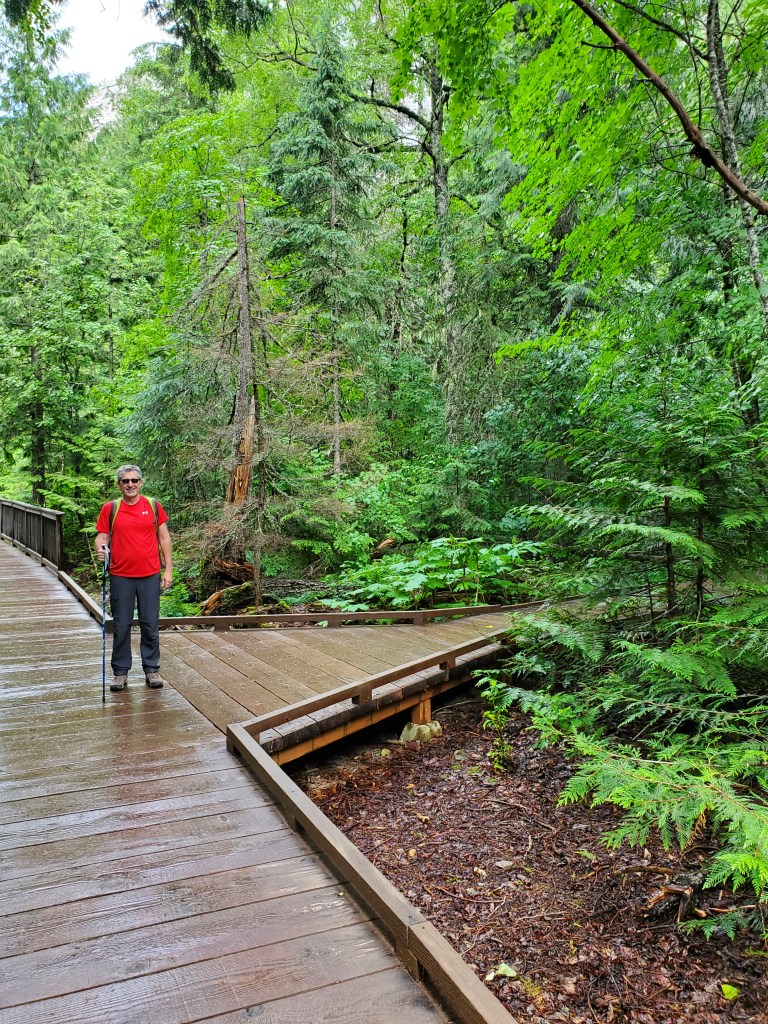
Avalanche Gorge as seen from the Trail of the Cedars
hiking the Trail of the Cedars

Walking back to our parked car after our hike, we heard our names being yelled from the parked car at the crosswalk. Really?! The people in the car were actually close friends from our hometown in Texas. One million acres of national park, 1749.5 miles away from home, and we happened to be at the exact same place at the exact same time. It was just plain weird! All you math geniuses can figure out those odds – it hurts my head just to think about it.

Mick & Lisa Tune, our friends from Rockwall, Texas
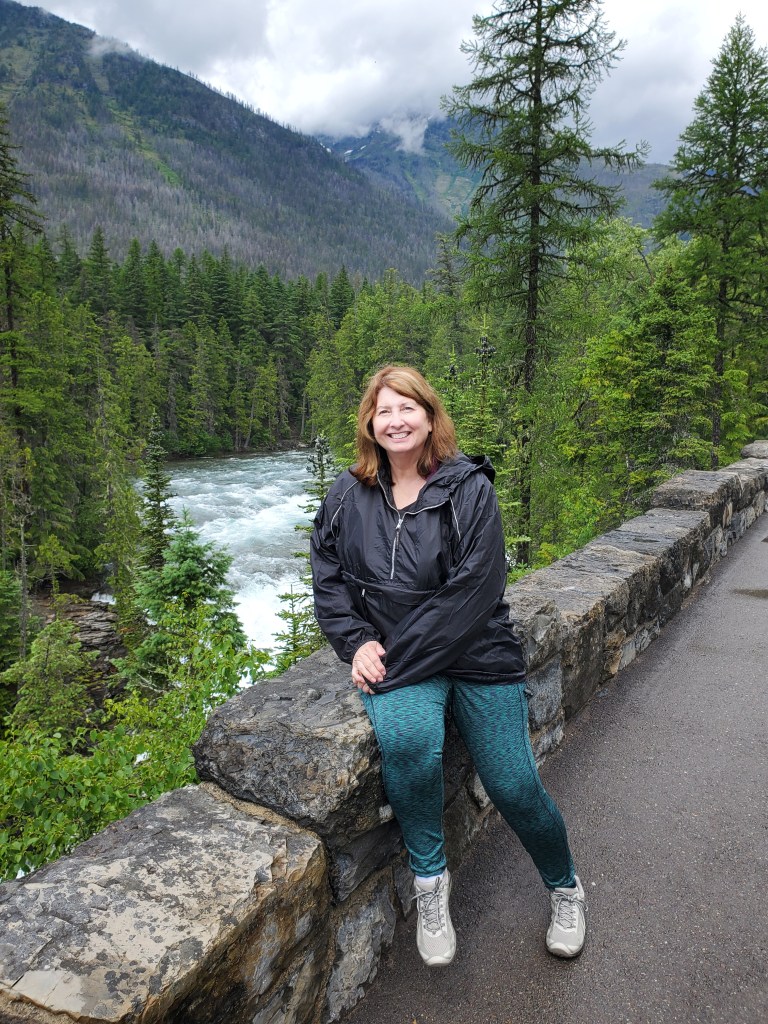
McDonald Creek along the GTTSR

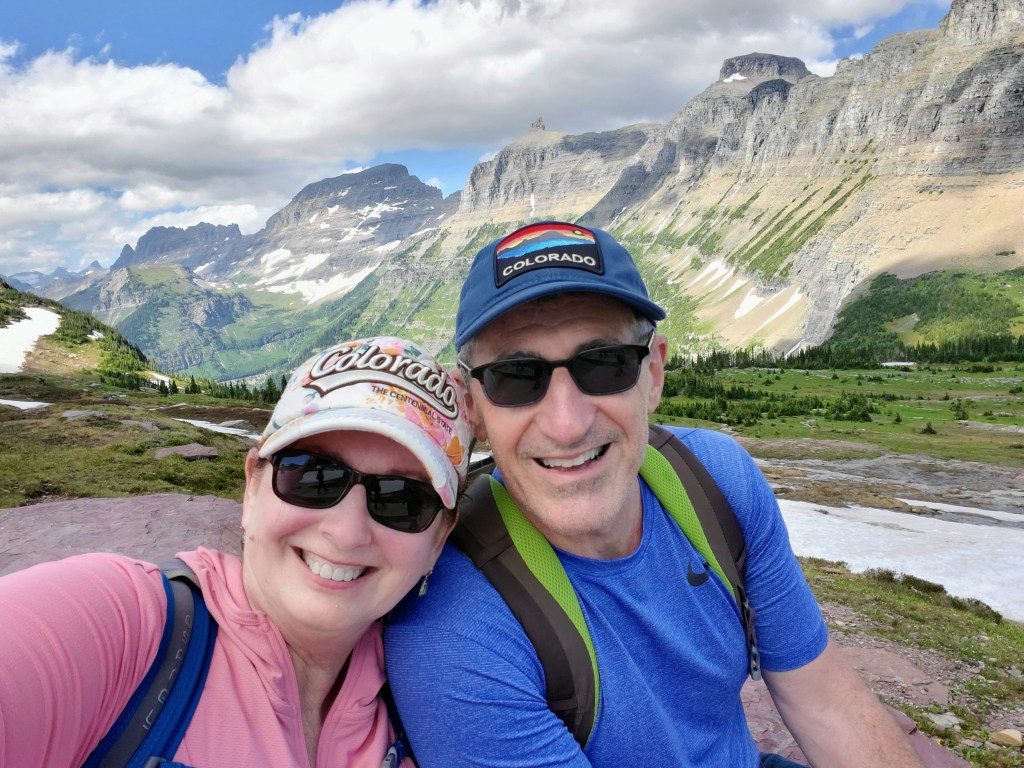
Day #2 – We got an early start and drove east to the park’s St. Mary’s entrance. We had a morning boat ride scheduled on beautiful St. Mary’s Lake that included a hike to a waterfall. It was a gorgeous day and we enjoyed our morning adventures. David and I found a little restaurant nearby in the park and had a great lunch (huckleberry pulled pork stuffed baked potatoes!) and continued our drive on The Going-to-the Sun Road with a few scenic stops along the way. We found ourselves at Logan Pass that afternoon, the highest point of the Going-to-the-Sun Road (6646 feet) and located along the Continental Divide. The road in this area had only opened 4 days prior to our visit due to the difficulty of snowplowing such late, heavy snows. The scenery at this high elevation was amazing! We parked and hiked the Hidden Lake Trail as far as we could but it was quite difficult with the packed, icy snow underfoot. Seeing all the snow, the jagged mountains, fields of wildflowers, waterfalls, marmots, ground squirrels, and big horn sheep made for a very memorable afternoon and gave us some great photo ops!
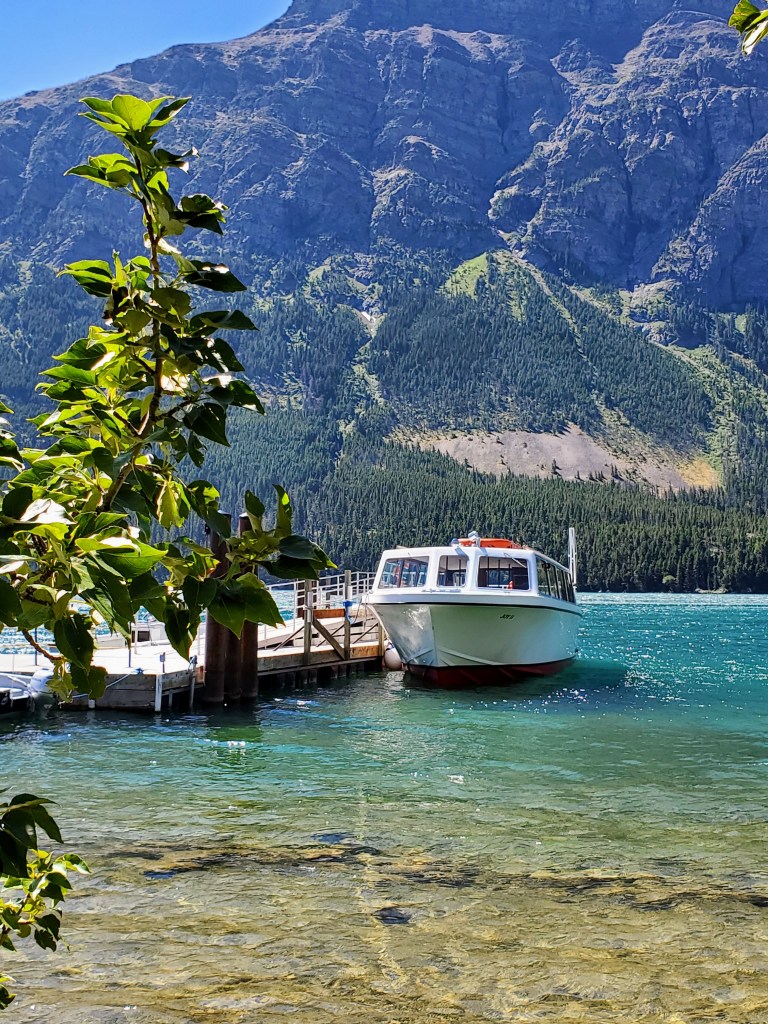
ready for our St. Mary’s Lake boat ride
selfie at Logan Pass
Bighorn sheep at Logan Pass

Day #3 – David and I ventured to Two Medicine, a less-popular part of the park that we entered not far from East Glacier that feels off-the-beaten-path. This day actually turned out to be one of our favorites. The drive in had beautiful views and the crowds were sparse. We hiked to Running Eagle Falls, a sacred Native American burial site that celebrates an infamous female warrior and tribal leader. It was easy to feel the spirituality of this place. The double falls were very unusual and we spent quite a bit of time here. We hiked for a bit on a nature trail and soon decided it was lunch time. We drove a short distance to Two Medicine Lake and found a table at the General Store overlooking the picturesque lake with Sinopah Mountain towering in the background. Good food, great views.
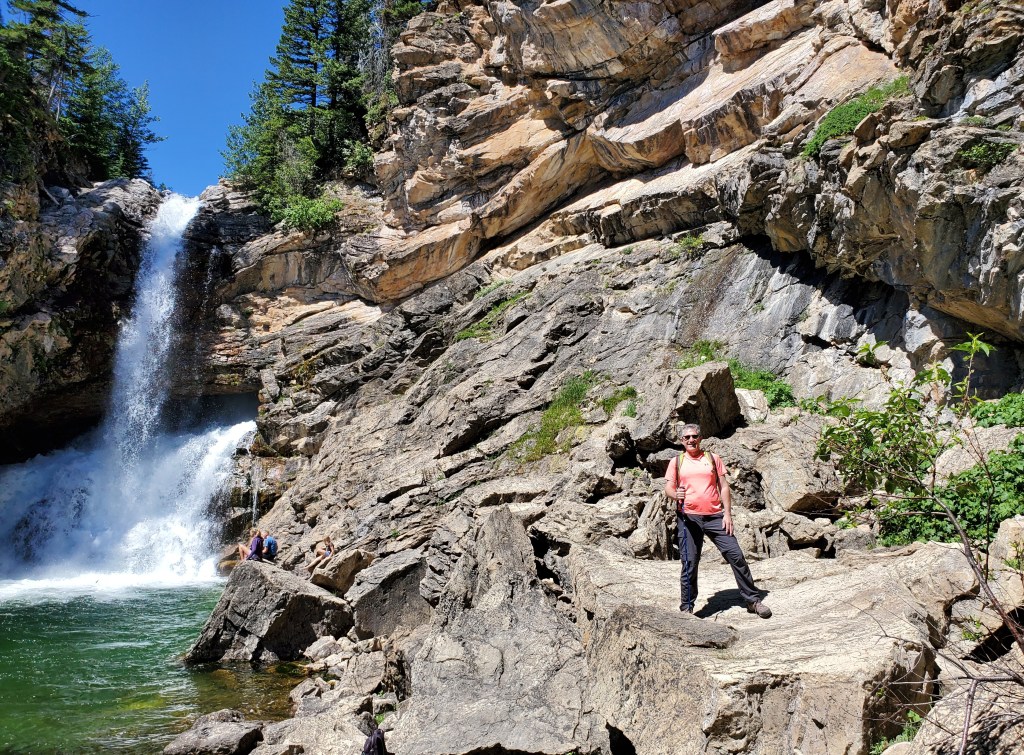
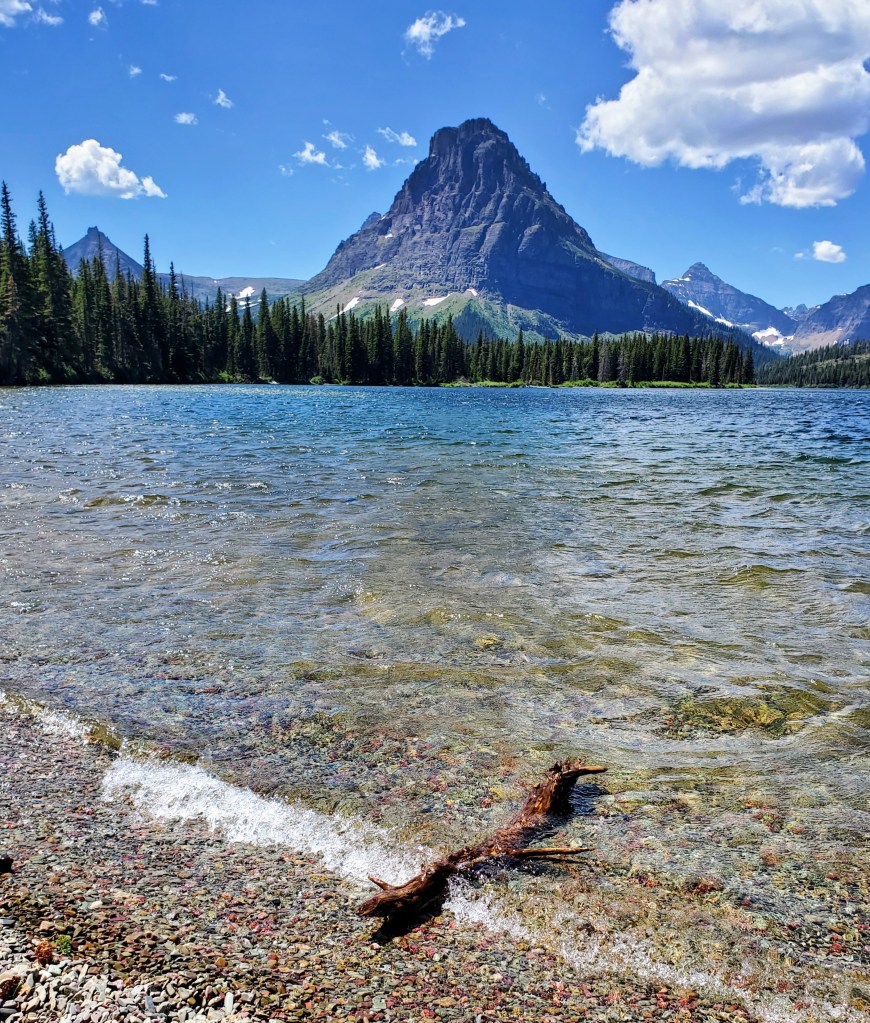
Running Eagle Falls in Two Medicine
Two Medicine Lake and Mount Sinopah

After our picnic lunch and a cold huckleberry soda, we were ready for our next hike. We parked at a trailhead and headed up to Apikuni Falls. This was a tough hike for me due to the incline and it was very hot and humid. There were very few people on this trail and we were on a constant lookout for bears. Luckily, we made it to the falls and back without getting eaten. By late afternoon, we headed back out of Two Medicine admiring the scenery and the colorful wildflowers that lined the road and meadows in this scenic valley that is adjacent to the Blackfeet Reservation.
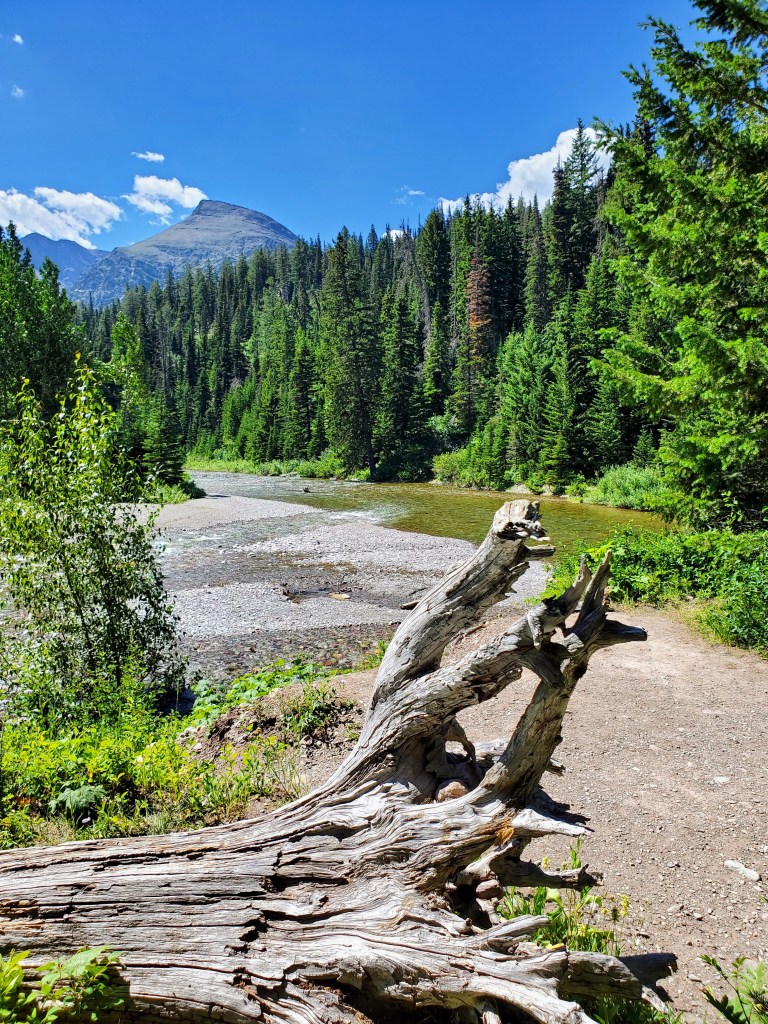
hiking at Two Medicine

We stopped for huckleberry bear claws near East Glacier when we saw our first bear! It appeared to be a younger bear and we spotted it running through a pasture near some horses. The horses seemed a little nervous at first but soon went back to grazing. The bear found a pizza box in the pasture that fully captured his/her attention for quite a while. This is exactly how I wanted to see a bear – from a distance and from the safety of my car!

bear near East Glacier

Day #4 – This was the day we ventured to Many Glacier, located on the farthest side of Glacier National Park from our cabin. Many Glacier is on the northeast side of the park and was the most difficult to get to. With that being said, I felt it was the most scenic part of the park. We arrived at Many Glacier early in the morning to secure a parking place, which worked in our favor. We spent the morning exploring the historic hotel and grounds and enjoyed a coffee while waiting for our scheduled boat tour.

Many Glacier Hotel from Swiftcurrent Lake

The Many Glacier boat tour was a “two-parter.” The tour began on the shores of beautiful Swiftcurrent Lake. We cruised across the lake, docked, disembarked and then walked 0.2 mile (over a steep hill) to the shores of Lake Josephine. We then boarded another small boat and cruised to the head of Lake Josephine. We disembarked there to do a self-guided hike to Grinnell Lake. This was a beautiful trail that led us through wooded areas, over streams, along narrow hillsides and over a swinging bridge before we arrived on the shoreline. Grinnell Lake had beautiful turquoise waters and was surrounded on three sides by towering mountains and snowy glaciers. It was breathtaking! David and I sat and ate a picnic lunch on a fallen log and took in all the beauty around us. We were even lucky enough to spot a grizzly bear loping through snowfields on the opposite side of the lake before it disappeared into a valley on the far side of the lake. Bear sighting number two….check! We also saw a huge bull moose standing waist-deep in Lake Josephine on our return boat trip. Wildlife abounds!

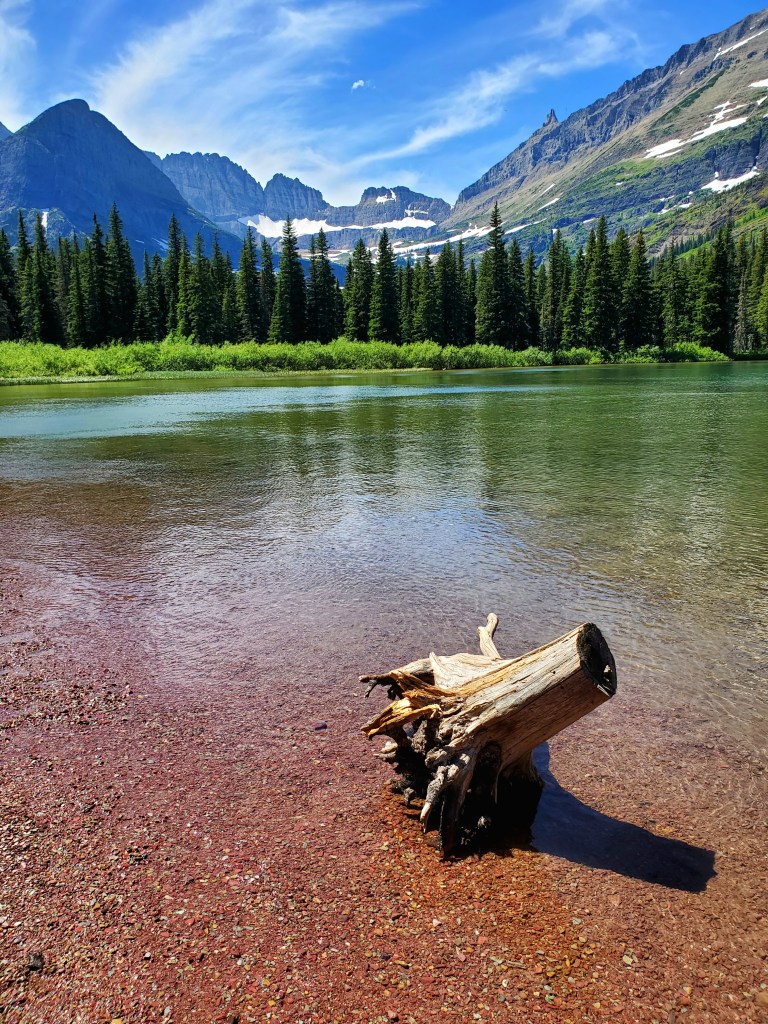
selfie at Lake Josephine
Lake Josephine with Salamander Glacier and Grinnell Glacier in background

We returned to the Many Glacier Hotel later that afternoon after an amazing day. We located the bar and treated ourselves to a Huckleberry Margarita, a snack, and a short rest before the long ride back to our cabin. Another unforgettable day was in the books.
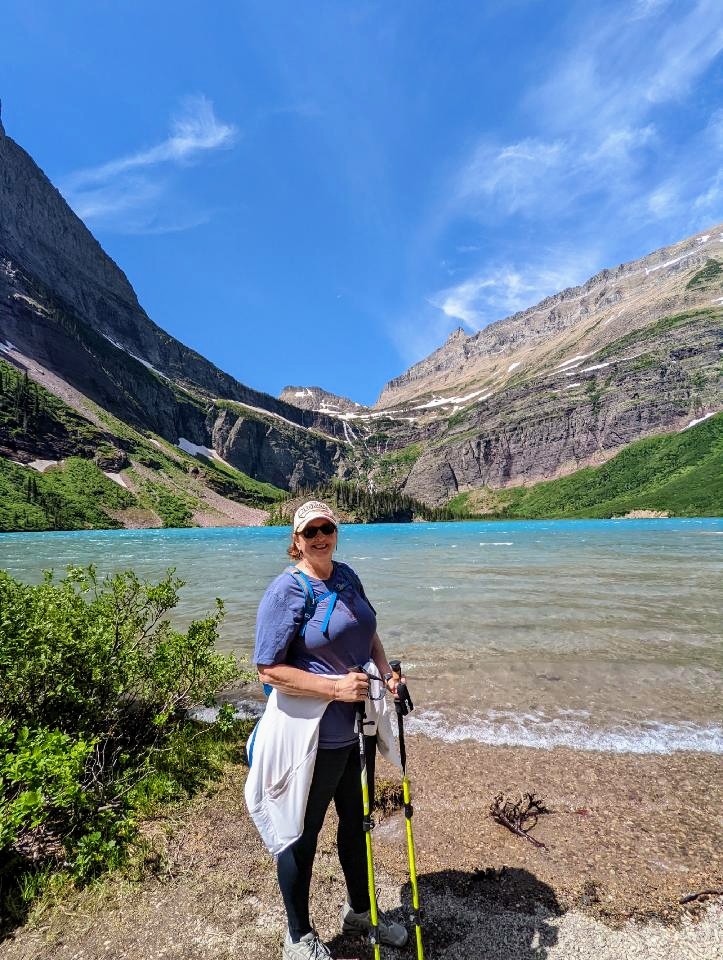
hiking to Grinnell Lake from Josephine Lake

Day #5 – We woke to another cloudy, drizzly day but decided not to let it stop our exploring. We headed back to West Glacier and spent the day at Apgar Village on the shores of Lake McDonald. We walked the shoreline, snapped a few iconic “colored rock” photos, hiked a wooded trail, shopped in the gift stores, and enjoyed coffee/lunch/huckleberry ice cream during the hours we spent there. It was a very relaxing day. On the way back to our cabin, we stopped at the Goat Lick overlook to see a herd of mountain goats that hang out on some rocky cliffs. We saw several of them!
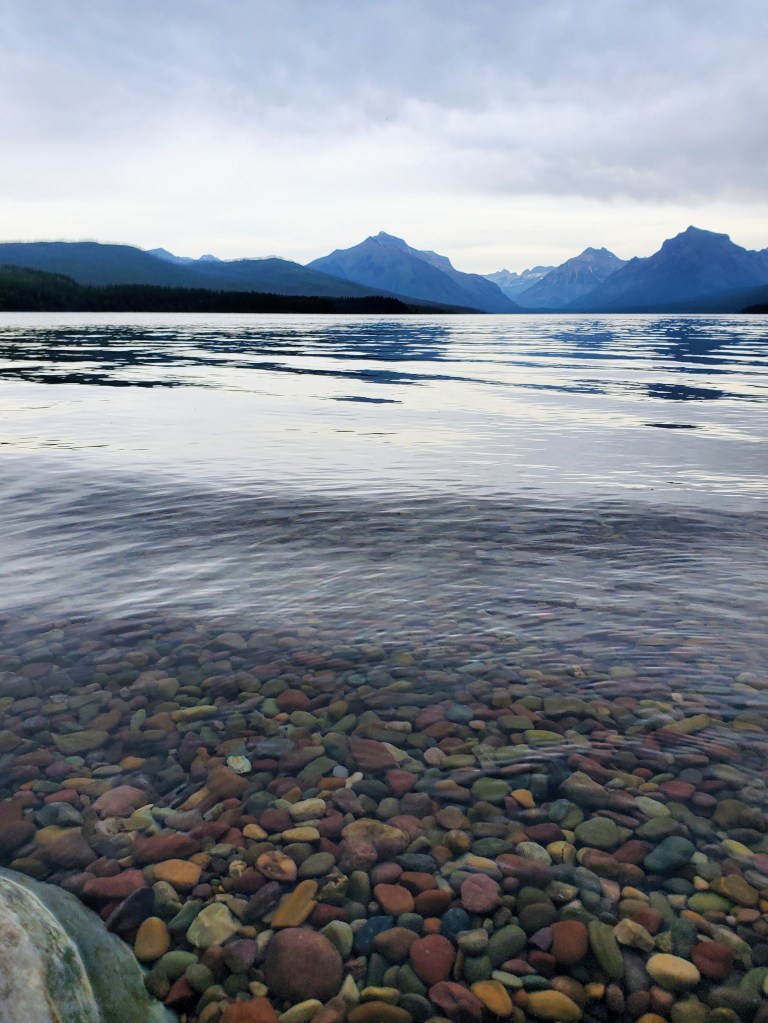
the iconic “rock photo” at Lake McDonald
baby mountain goat

We then returned to the cabin, cleaned up, and drove back to West Glacier where we had dinner reservations. David and I wanted a nice meal on our final night and we enjoyed a lovely dinner at the Belton Chalet Restaurant. It was delicious and made for a great ending to a great trip. We returned our unused bear spray, packed up, and left for home the following morning.

We made memories that will last a lifetime. GNP, thanks for an unforgettable trip!

See you on the trails!

cloudy morning on Lake McDonald
Lake McDonald selfie
near the entrance to St. Mary’s
on the Trail of the Cedars
McDonald Creek from the GTTSR

West Glacier entry

Diamond Beach

Iceland

di4

A recent trip to Iceland was filled with surreal environments. I saw moss-covered lava fields, towering volcanoes, basalt walls, gigantic glaciers, powerful waterfalls, and steaming geysers. One of my favorite sights of the entire trip was the beautiful Diamond Beach near Jokulsarlon Glacier Lagoon.

di5Dia3

Diamond Beach is about a five-hour drive from Reykjavik along the southern coast of Iceland. This area is a constantly changing, natural environment and is breathtakingly beautiful. Every minute provides a different experience according to the weather, the lighting, and the number of icebergs and ice chunks that have made their way to the shore.

IMG_0546 - Copy

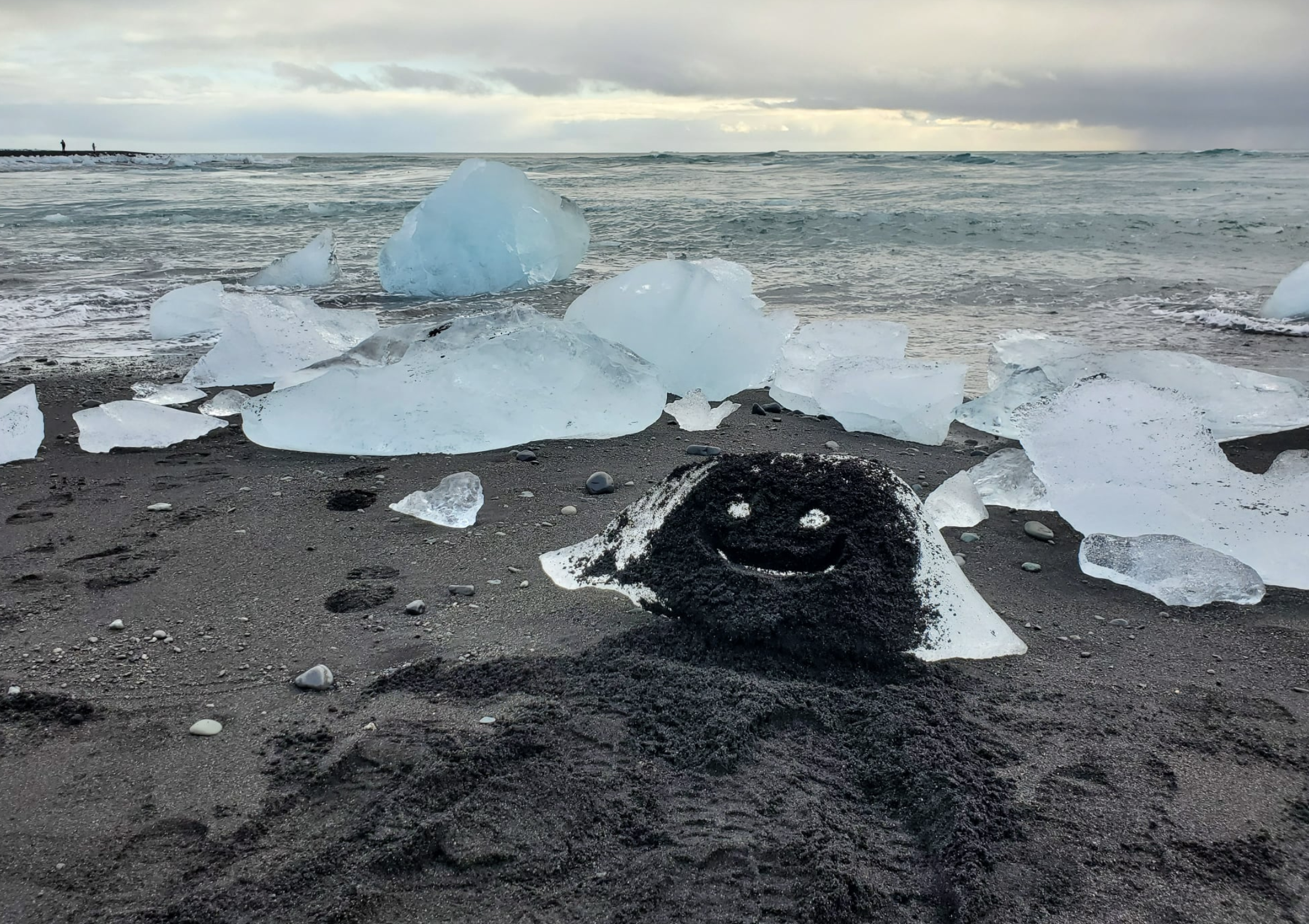
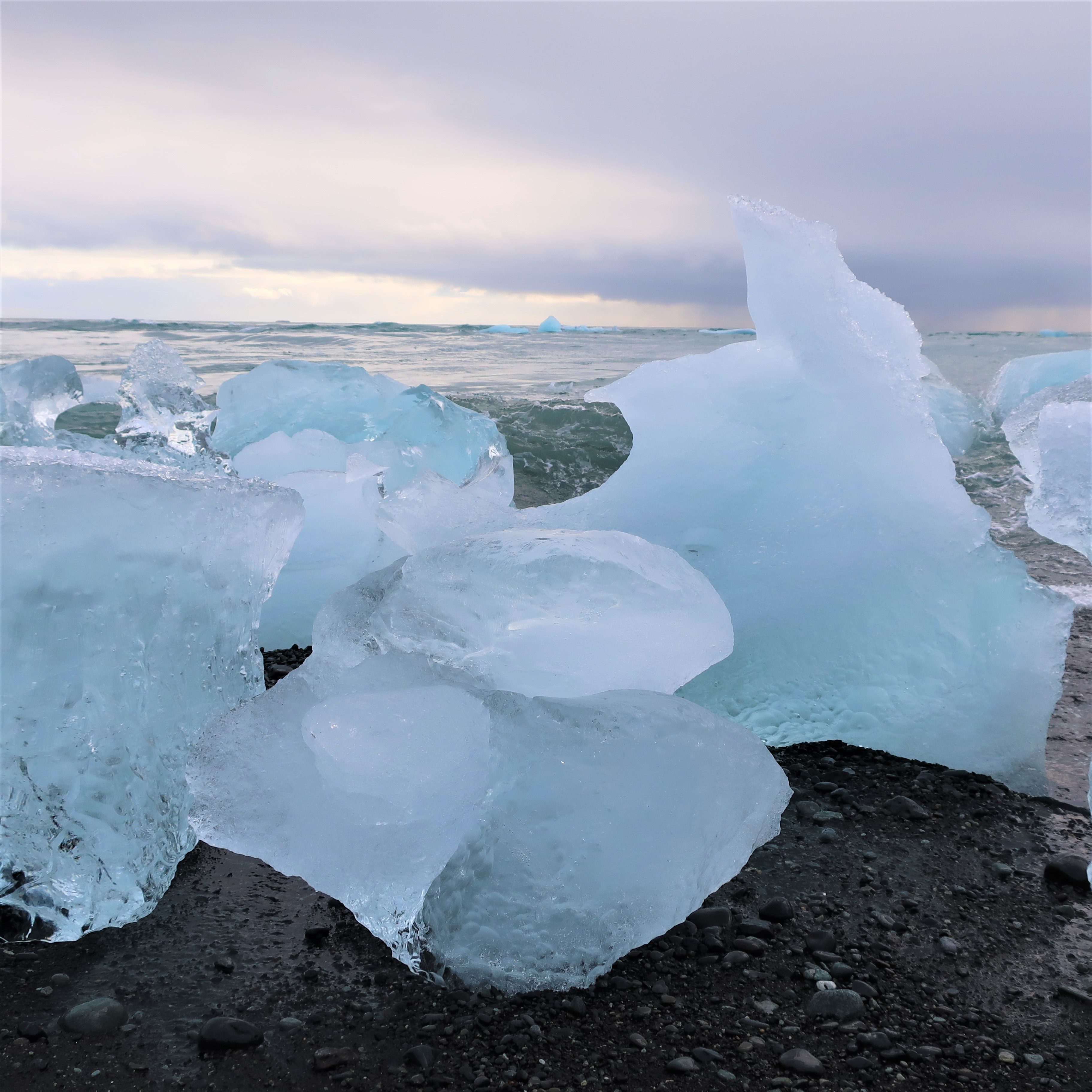
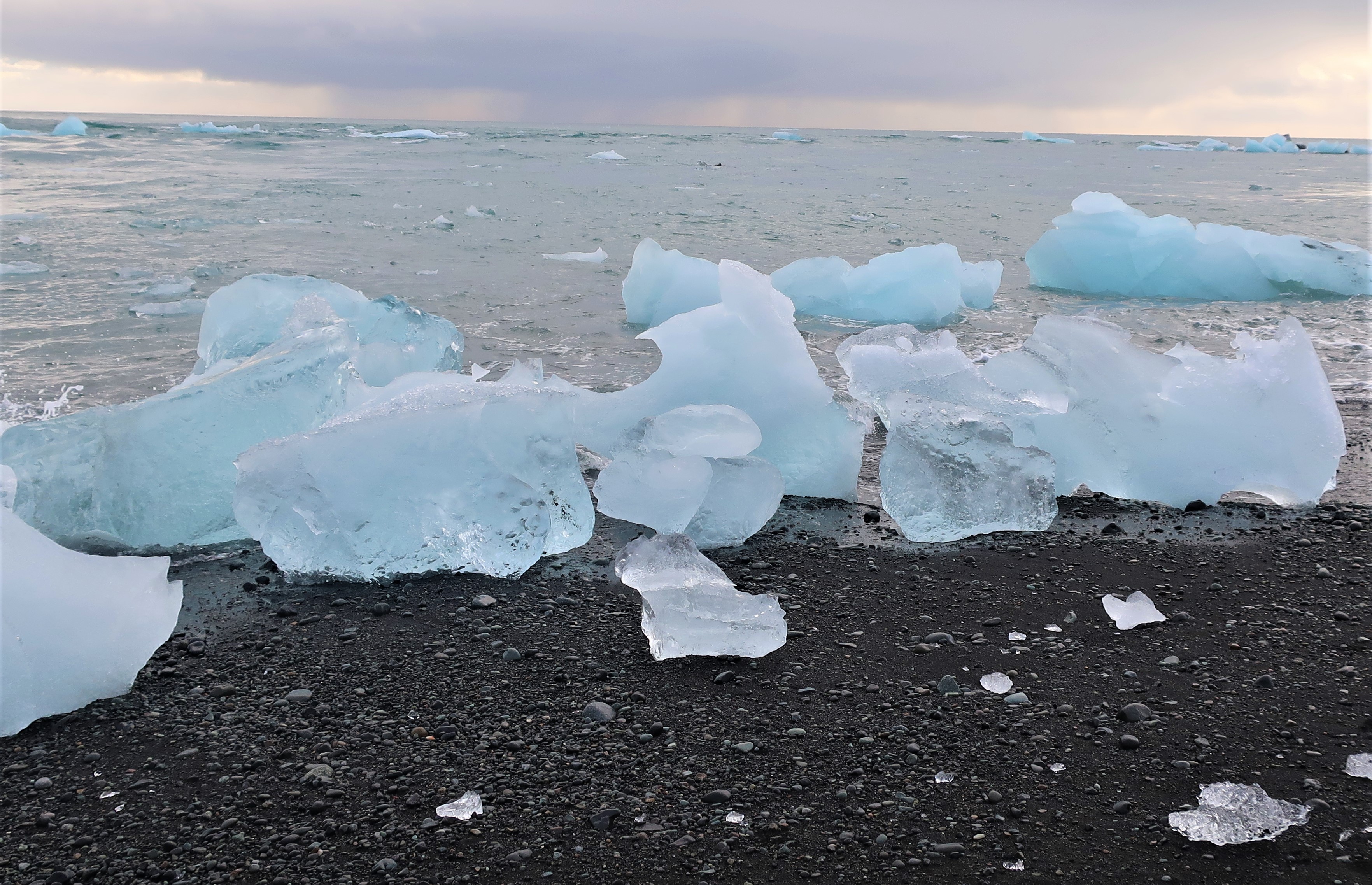
Diamond Beach is exactly what it sounds like, except for the fact that there will not be any sunbathers on this stretch of sand! The sparkling black, lava sands are filled with bits and pieces of passing icebergs as they break away from the nearby glacier. These 1000-year-old ice blocks break from the melting glacier, make their way through the glacial lagoon, float down a glacial river, and enjoy their last moments before being washed into the Atlantic Ocean. This is where the smaller bergs come to rest as they are scattered along the coastline and the sand becomes covered in ice. Sizes range from tiny, glittering shards to car-sized behemoths.

IMG_0543IMG_0542

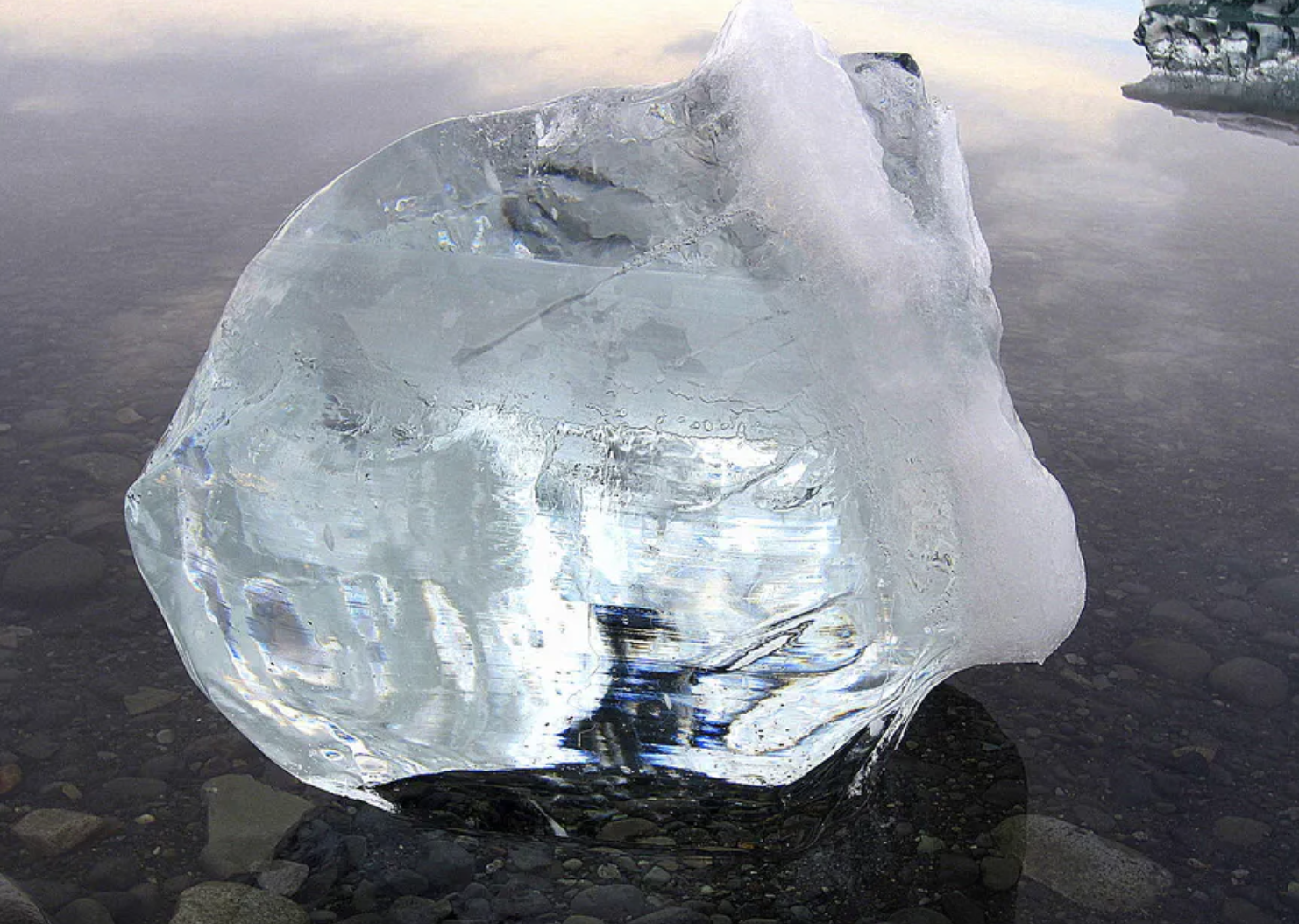
These polished pieces of ancient glacial ice get caught up in the ocean current and end up scattered back onto the black sand beach. Each one reflects the light and they sparkle like “ice diamonds” – hence the name Diamond Beach. The ice takes on may different forms and colors, ranging from clear to white to blue. Walking among the ice chunks was like visiting an outdoor ice sculpture garden. The experience was very unusual, beautiful, and unforgettable.

Dia1

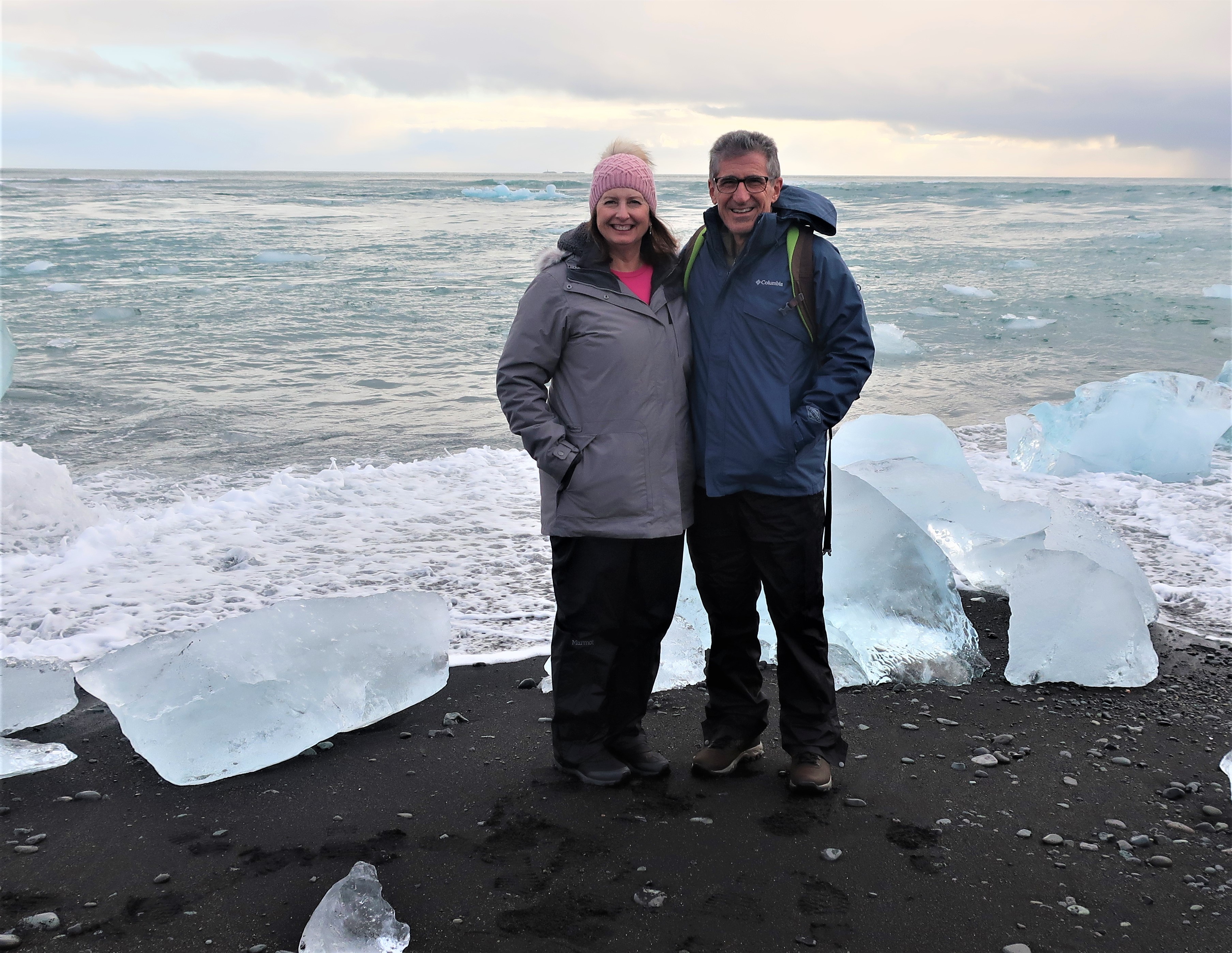
My travel group visited the Diamond Beach one morning in early October. Luckily for us, the beach was not crowded. The weather was rather messy (cold, cloudy, and windy) and the tides were pretty rough so we had to use caution (sneaker waves are very dangerous in this area).  Fortunately, we got to take advantage of some great photo opportunities and we enjoyed every minute spent here.


It was a truly magical experience.

A few of us may have accidentally gotten our feet very wet and cold. Just sayin! 🙂

IMG_0537IMG_0547IMG_0533

Icefields Parkway

Alberta, Canada

051

My husband and I had the opportunity to travel to Lake Louise in Alberta, Canada this past August and we set aside one full day to drive the Icefields Parkway. What a experience it turned out to be!

010

The Icefields Parkway (Hwy 93) runs from Lake Louise in Banff National Park to Jasper in Jasper National Park. This 144-mile scenic drive is rated the “Top Drive in the World” by Conde’ Nast Traveller and it didn’t take us long into the drive to see why. The double-lane highway winds along the Continental Divide through soaring mountain peaks, turquoise lakes, sweeping valleys, ancient glaciers, cascading waterfalls, dramatic rock spires and thick pine forests. We looked forward to a fresh new wonder around every corner. There were  plenty of scenic stops, picnic spots, hiking trails and clean portable toilets along the entire route.  

070


We filled up our gas tank in Lake Louise (there is only one service station along the route) and began our journey. Our first stop along the way was the Crowfoot Glacier. We took advantage of the many places where we could pull off the highway to take spectacular photos or find a trailhead to hike. We took our time driving and made many “must-see” stops along the way – with Crowfoot Glacier being our first.

046004


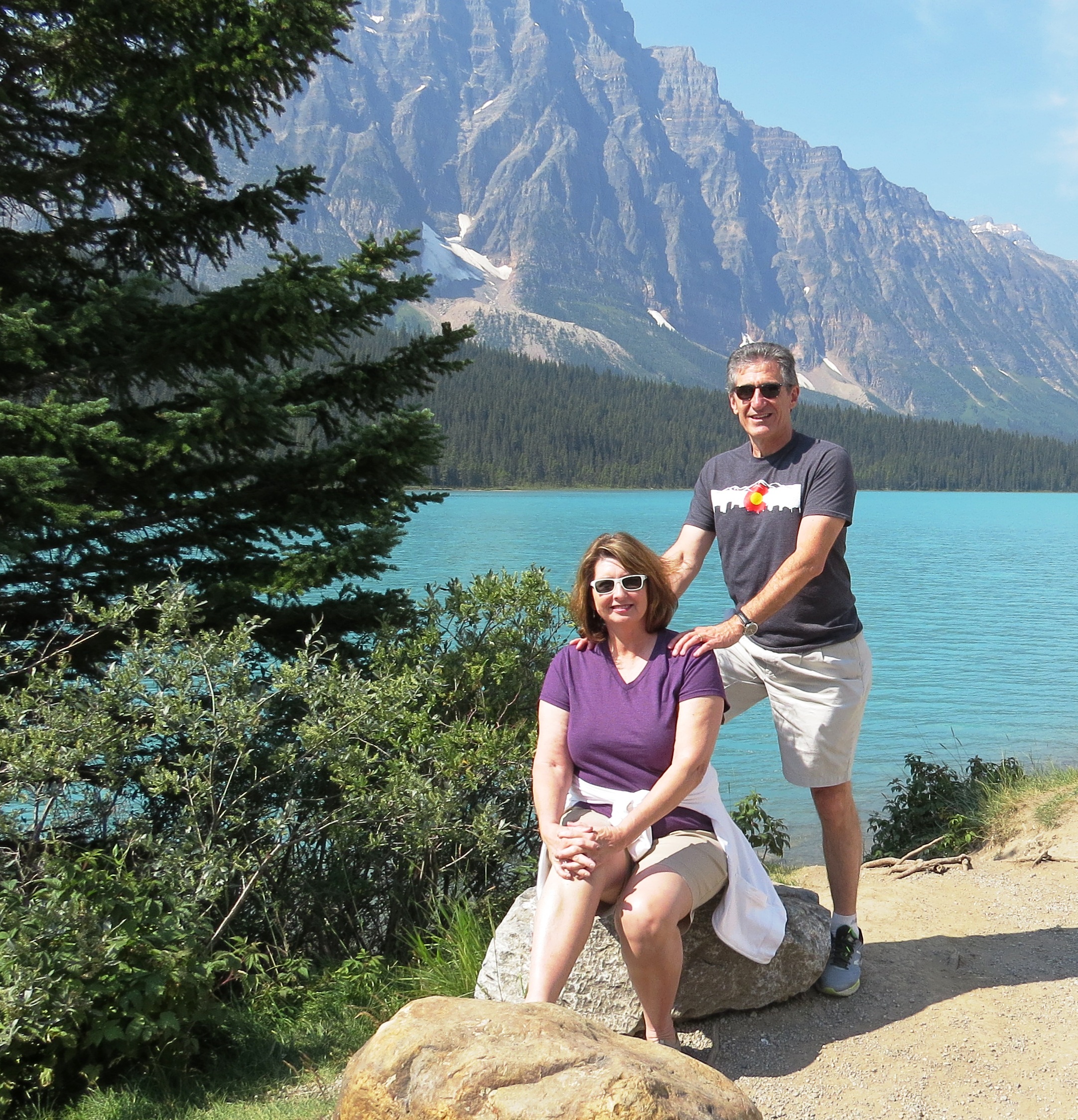
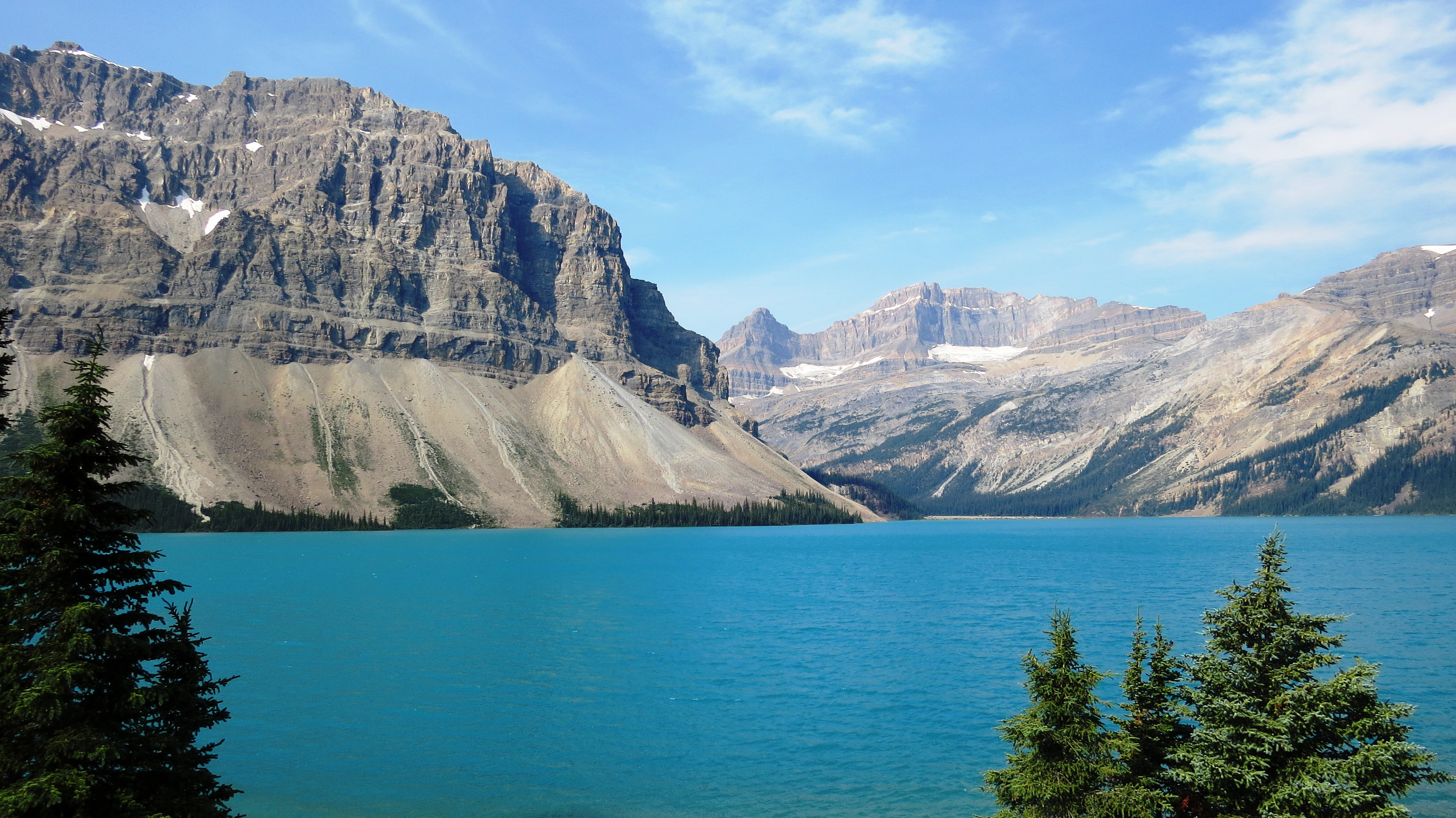
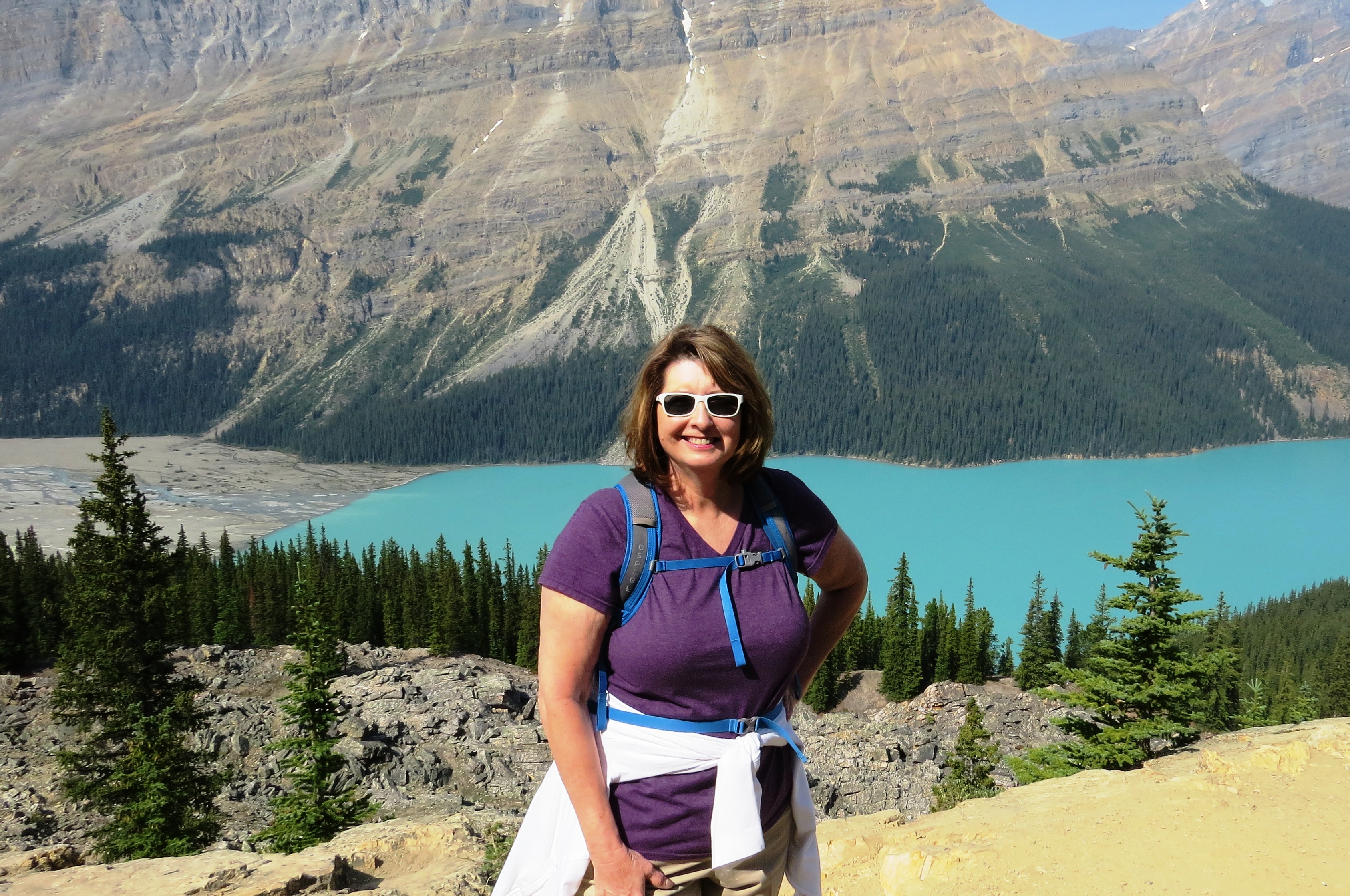
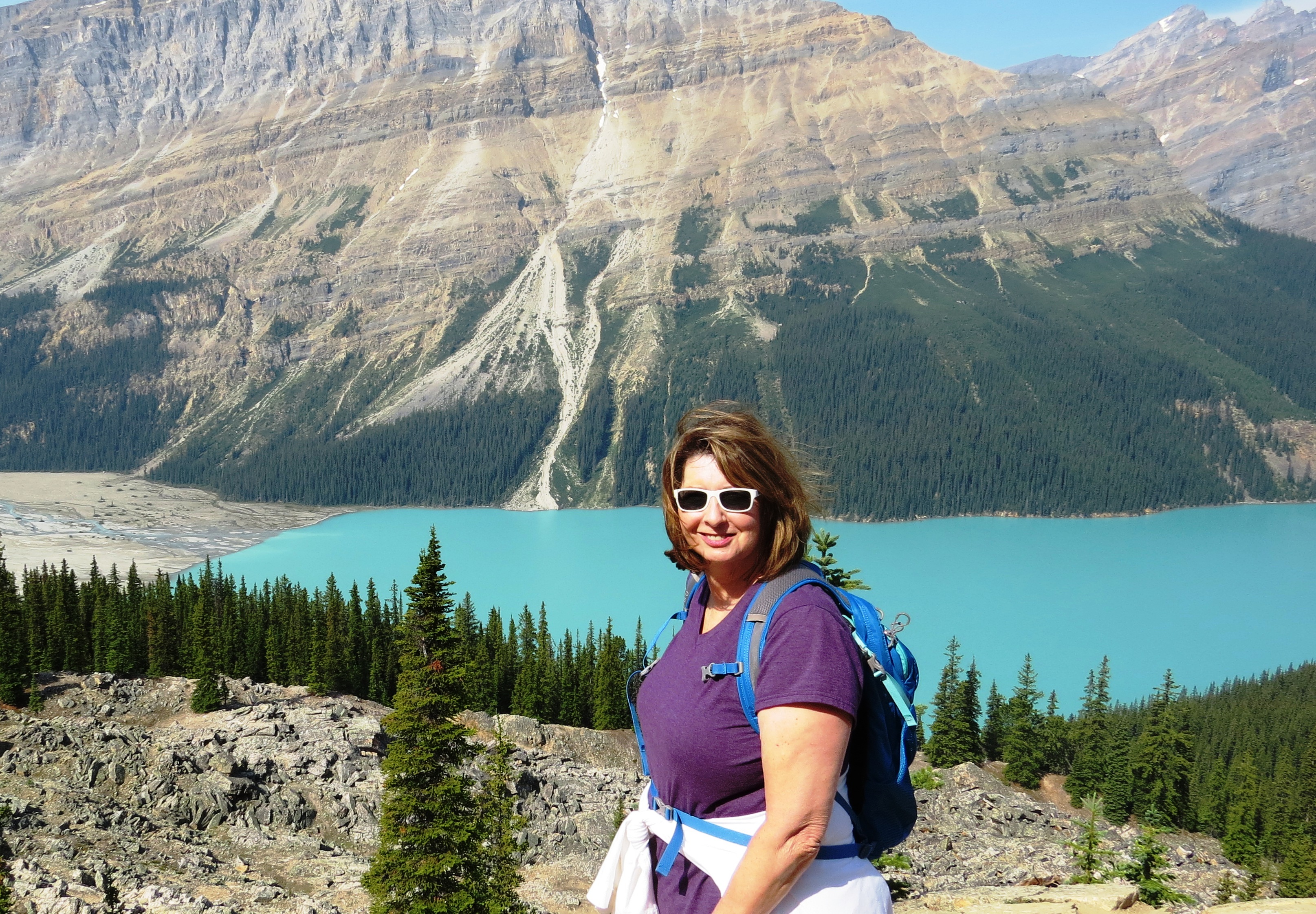
Just up the highway was Bow Lake, a beautiful mountain lake with turquoise water, framed by dark green evergreens on shore. Next up was Peyto Lake, the perfect Canadian Rockies photo op. We parked here and took an easy 15-minute stroll along a paved trail to the overlook. This viewpoint was the highest elevation on the Icefields Parkway and gave us spectacular views of the glacial valley and gorgeous lake below. It was breathtaking!

031042


The halfway point between Banff and Jasper was the Saskatchewan Crossing. Not only were the river views here very scenic (including bighorn sheep!), this was the only stop for lunch, gasoline, and cell coverage. There were a couple of small restaurants, restrooms, and a small general store as well. We filled the rental car up, grabbed a quick soup & sandwich lunch, and hit the road again. 

054056

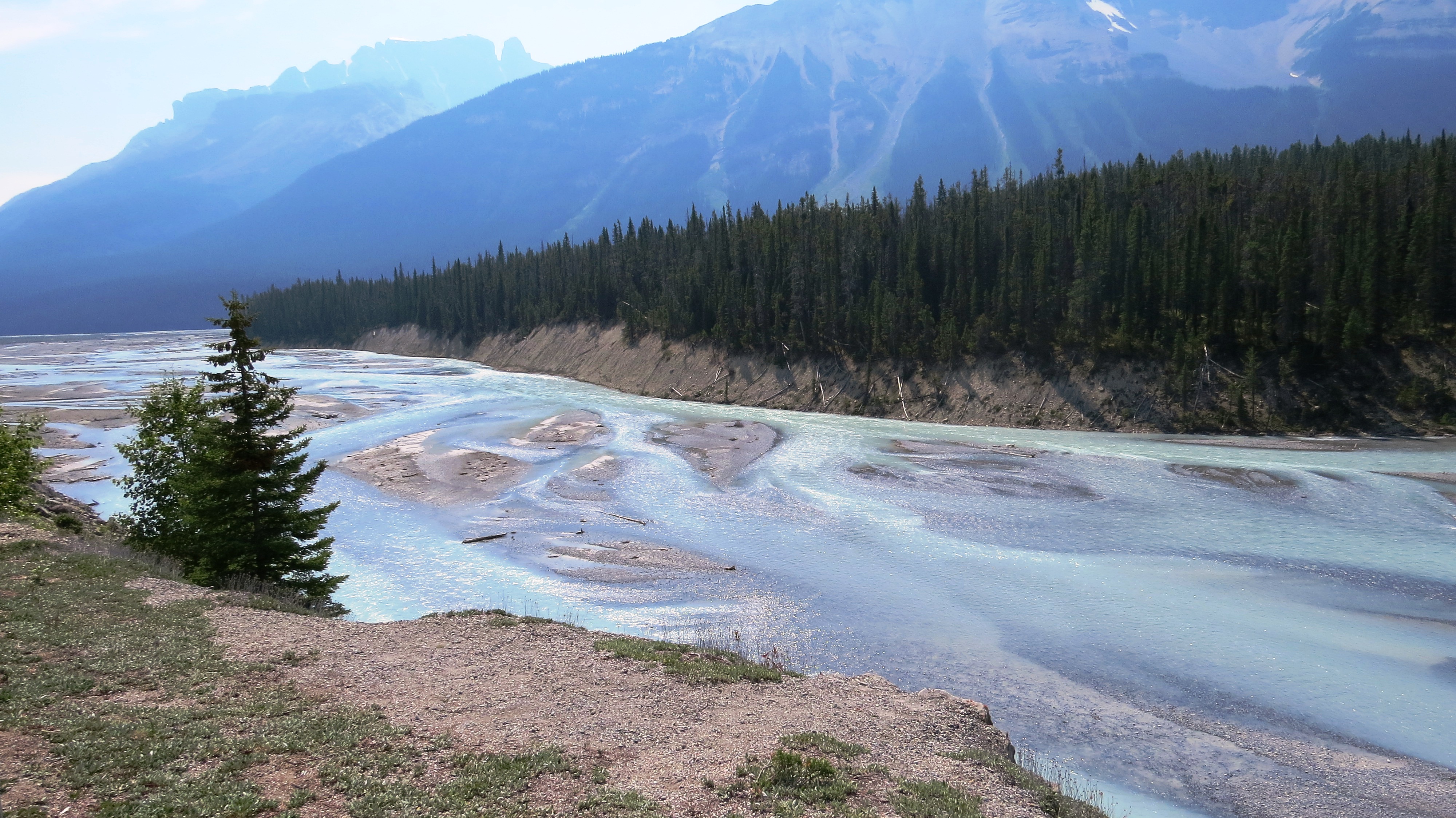
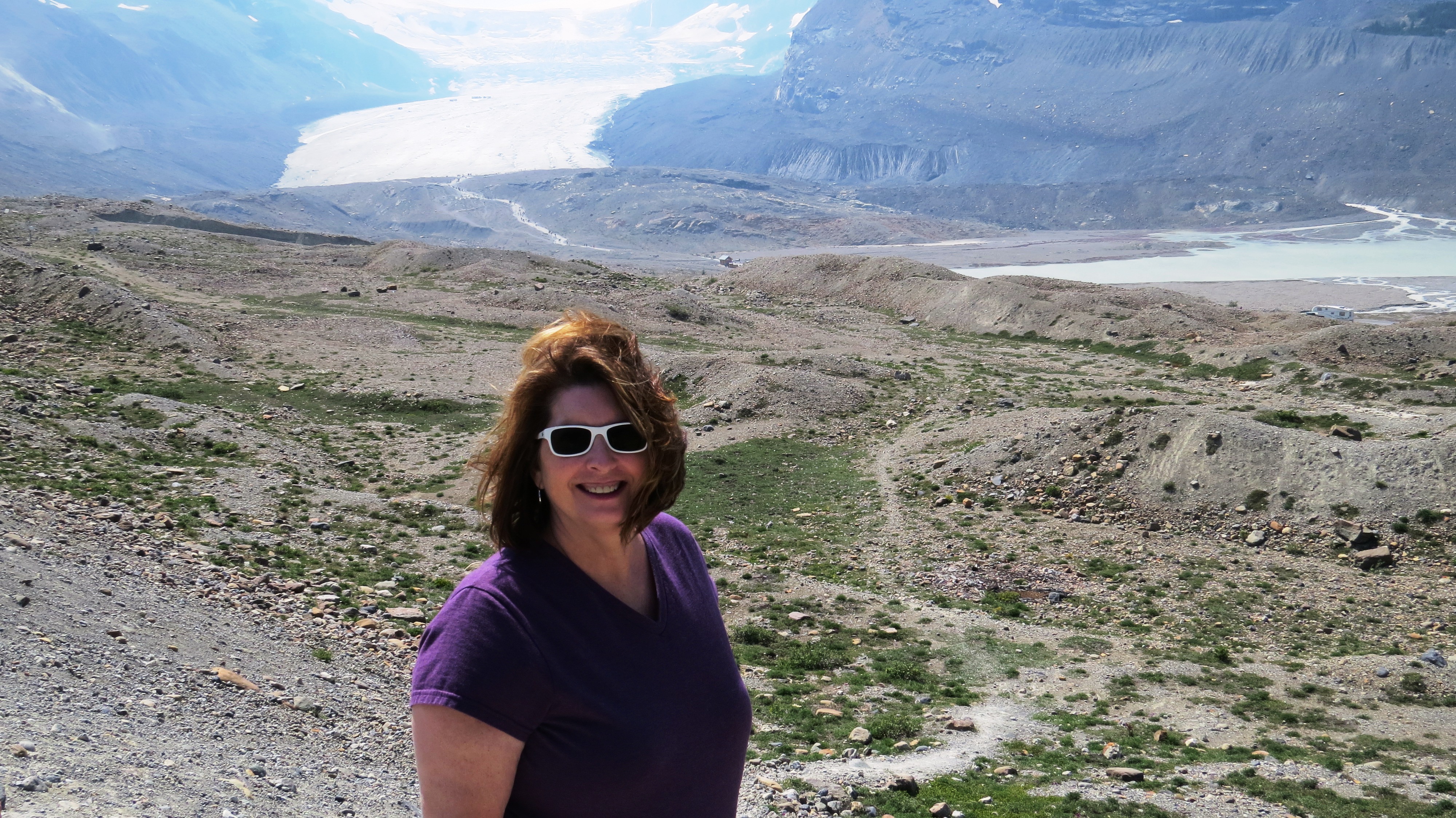
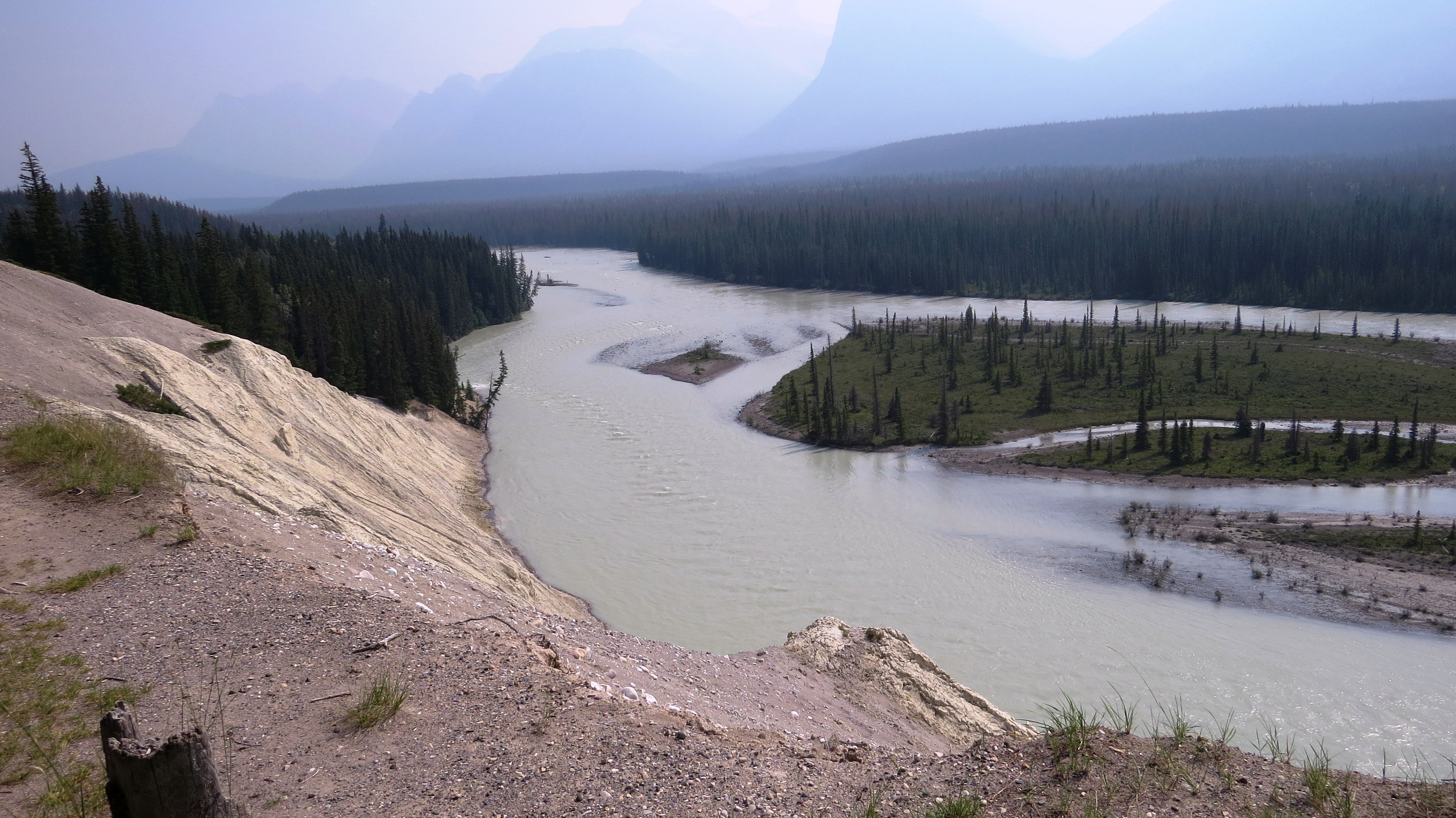
One of my favorite stops was the Columbia Icefield – the largest glacial icefield south of the Arctic Circle. This whole area made me feel like I was in another world, on another planet. The landscape resembles the moon – or what I picture the moon surface to be. We hiked the area and climbed up on rocky mounds for stunning views of the glittering glaciers all around us. It was a 360-degree view of ancient glaciers, ragged mountain peaks, and rivers of silty, glacier water run-off. There is a huge Glacier Discover Centre here where tourists can actually board an Ice Explorer bus that takes you up on the Athabasca Glacier and lets you walk on the thick ice. We chose to bypass the crowds and the long lines and explore on our own. It was an experience that I will never forget. 

070084076080

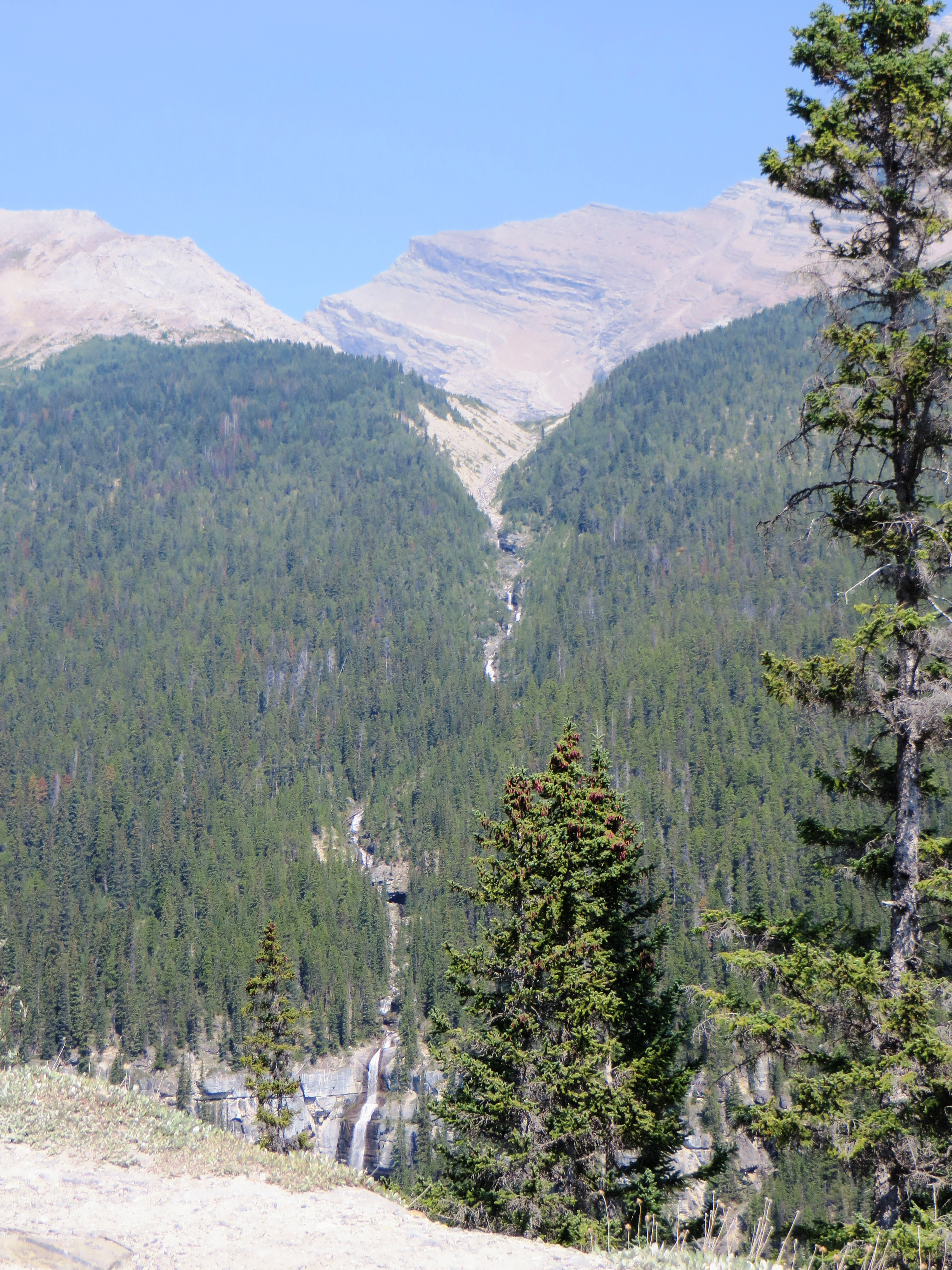
We were lucky that there were so many other sights and experiences from that day that we will never forget. We stopped and enjoyed the beauty and serenity of Herbert Lake. We admired the scenic views from Big Hill & Big Bend. We hiked up to the loud and powerful Sunwapta Falls.  How could anyone with a sense of adventure not enjoy exploring a place with landmarks named Mosquito Creek, Tangle Falls, Weeping Wall, Mushroom Peak and Goats & Glaciers? What a great day!

052060231088217090065

I can easily see why National Geographic referred to this route as “the most beautiful journey on the planet.” It was the most beautiful drive I have ever experienced and every few miles offered a change of scenery. Words really can’t describe it and photos really don’t do it justice. I am just so thankful that David and I had to chance to experience driving the Icefields Parkway once in our lifetime. I hope you get the opportunity as well. 

Safe travels!

I hope you enjoyed this blog! Feel free to leave comments. If you would like to read my future dining and travel blogs, please subscribe. Thanks!

Lake Louise

Alberta, Canada

141

Banff has always been on my radar. It was not until our dentist visited there and passed on her experiences that we decided to make this trip happen sooner, rather than later. Dr. Williamson, our long-time family dentist, painted a detailed picture in my mind of towering peaks, gorgeous mountain lakes, ancient glaciers, the perfect hotel, and delicious foods.  I was sold. Plans were made. Passports were dusted off. Bags were packed. Canada, here we come!

My husband and I flew into Calgary and rented a car to drive the two hours into Banff National Park. Needless to say, most of the drive was breathtakingly beautiful as we headed towards the heart of the Canadian Rockies on a warm August afternoon.

20180805_190900

on the Post Hotel grounds
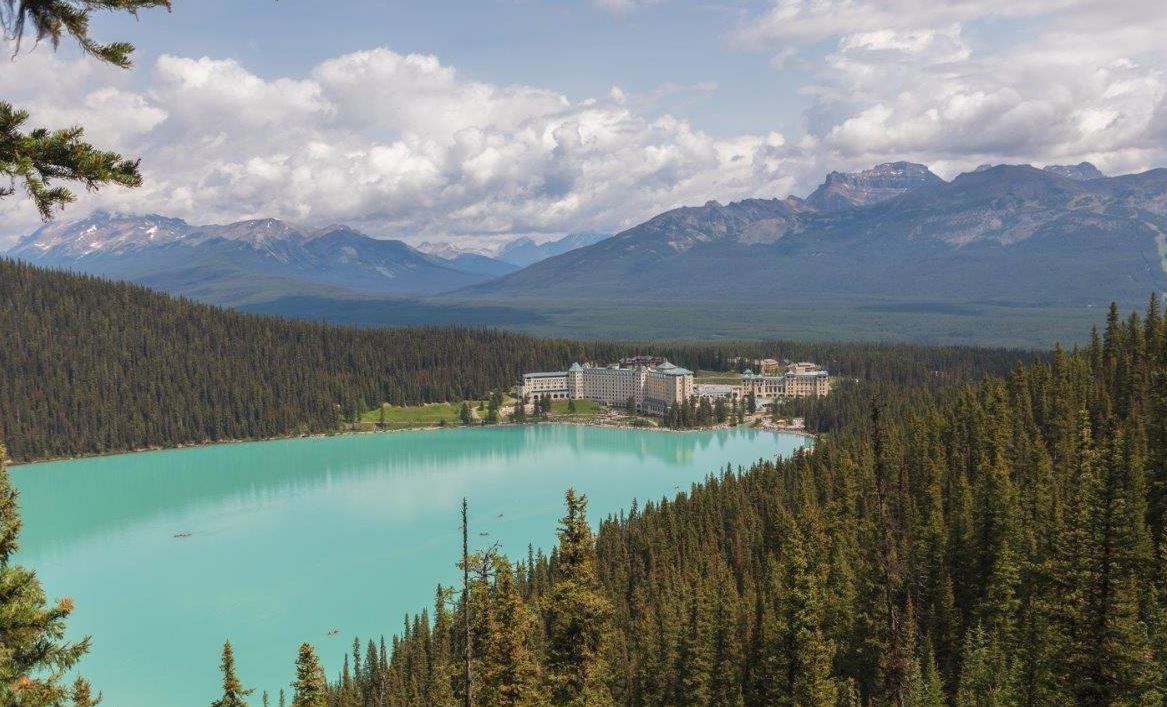
Over one hundred years ago, Lake Louise (named after Princess Louise Caroline Alberta, the fourth daughter of Queen Victoria)  was just a wild outpost at the end of the Canadian Pacific Railway. It was mainly a base for outdoor enthusiasts, thrill-seekers, and hunters.  Today Lake Louise is a luxury resort area that is famous for its gorgeous lakes, mountain tea houses, grizzly bears, and hiking trails.  This area attracts large crowds of tourists from all over the world in the summer season. I was not surprised to hear Spanish, Farsi, Norwegian, German, French, Japanese, and Chinese all spoken around me in the span of 15 minutes at the Fairmont Chateau. We had all come together in this place to share in one of the most unforgettable and spectacular sights in North America.

Banff4

Fairmont Chateau Lake Louise

In the early afternoon, we arrived in the town of Lake Louise and checked in to the Post Hotel. Once again, Dr. Williamson had given us excellent advice! This was a small, boutique hotel located steps away from The Village (main shopping center with small grocery store, deli, bakery, visitor’s center, grill, etc.).  The Post Hotel was situated along the shores of the Pipestone River in a beautiful area with wonderful views. It was luxurious, quaint, and had wonderful amenities – including afternoon tea and a five-star restaurant. We loved everything about it – even the bear spray you checked out each day from the front desk! 

Ours plans the first day were to drive to the “actual” Lake Louise and hike up to the Lake Agnes Teahouse. This is a popular hiking trail that begins on the edge of the lake near the iconic Fairmont Lake Louise Chateau. This mountainous trail leads 5+ miles (round trip) to a lovely little rustic tea house that was built in 1905 and sits on the shoreline of another idyllic alpine lake, Lake Agnes.  This hike ended up being newsworthy enough to get a blog all to itself!  More of this excursion to come at a later date………

We headed to Lake Louise very early this particular morning to procure parking as it fills up very quickly. We grabbed our hiking gear and walked a short distance from the parking area to the shoreline. We stepped out of the treeline onto the shore and I was speechless.

The views were surreal.

Lake Louise is simply a postcard that you step into.


Lake Louise is what makes Banff National Park such a popular destination. I find it impossible to describe without resorting to shameless cliches. The lake is most famous for its glacier-fed, mirror-like, turquoise water. It is surrounded on three sides by soaring snow-capped mountain peaks and a stately shoreline chateau (The Fairmont) on one end. When you stand next to this serene lake and gaze out onto Victoria Glacier, the glassy water, and the towering mountains – it is no wonder that this breathtakingly beautiful place is the most photographed sight in the Canadian Rockies. Unfortunately, photos really can’t do it justice. The 360-degree views seem unreal. Words are lost as your senses take over.

Our first full day in Lake Louise turned out to be amazing! Now we needed to plan the remainder of our stay. Luckily, the town of Lake Louise turned out to be the perfect base for our summer trip. What to do next? There was plenty of hiking, kayaking, cycling, and canoeing opportunities in the area. There were also more sights to see than we had days to see them! We had to prioritize and plan our agenda for the remainder of our stay.

We visited Lake Moraine, another spectacular mountain lake with stunning views and well worth a visit. We drove the Icefields Parkway. This is a beautiful drive from Lake Louise to Jasper that takes you by glorious lakes, waterfalls, mountain views, a glacier field, hiking trails, lookout points, etc. The scenery was amazing! 

One sunny afternoon was spent riding up one of ski slopes in the Lake Louise Gondola. This proved to be another fun activity and the views were great. Another day was spent in Yoho National Park hiking around Emerald Lake, seeing the Natural Bridge, and hiking up to Takakawa Falls. There was so much natural beauty surrounding us – too much to see and way too little time! At the end of each day, it was so nice to return to our quiet, little hotel. We enjoyed afternoon tea, wine on the lawn, and delicious four-course gourmet meals. I really did not want to leave at he end of our stay.

We thoroughly enjoyed our wonderful stay and visit to the village of Lake Louise. I will never forget the scenery and the experiences we had here. Great memories were made! Now we were off to the towns of Banff and Canmore and then on to Calgary for a few days. More stories to tell!

Stay tuned.

040

Bow Summit and Peyto Lake
 

Rocky Mountain National Park

Estes Park, CO

362

Lace up your hiking boots and get ready to head to one of Mother Nature’s brightest stars – Rocky Mountain National Park. Not only is this one of my favorite places on earth, National Geographic agrees and named it “one of the best trip destinations in the world.”

The park entrances are located 75 miles west of Denver and on the edge of the scenic town of Estes Park, Colorado. The drive to Estes Park has some stunning views and once inside the park, the scenery is even more breathtakingly beautiful. This vast mountain wilderness is a natural masterpiece with views of jagged peaks, high mountain lakes, waterfalls, wooded forests, grassy tundras, and 130-million-year-old glaciers. The Continental Divide runs right through the center of the park and the headwaters of the Colorado River begin here. It is a very impressive place, to say the least.

Rocky Mountain National Park was established in 1915 and covers 415 square miles. It is one of those places that can be enjoyed by all ages and activity levels. You may choose to see the entire park while riding in the comfort of your vehicle. Drive along the Trail Ridge Road, the highest continuously paved highway in North America, to the Alpine Visitor Center (elevation 11,800 ft.) and you will feel like you are on top of the world! If you are a more active person, you can take advantage of all the hiking, rock climbing, camping, fishing and winter skiing that the park allows. There are almost 400 miles of maintained hiking trails throughout the park that go through the grassy valleys, aspen and pine forests, and around mountain lakes. Some of the more challenging trails run along rock slides, waterfalls and on up to several mountain peaks. How about a hike up to the 14,260 ft. summit of Long’s Peak? Yep, me neither!

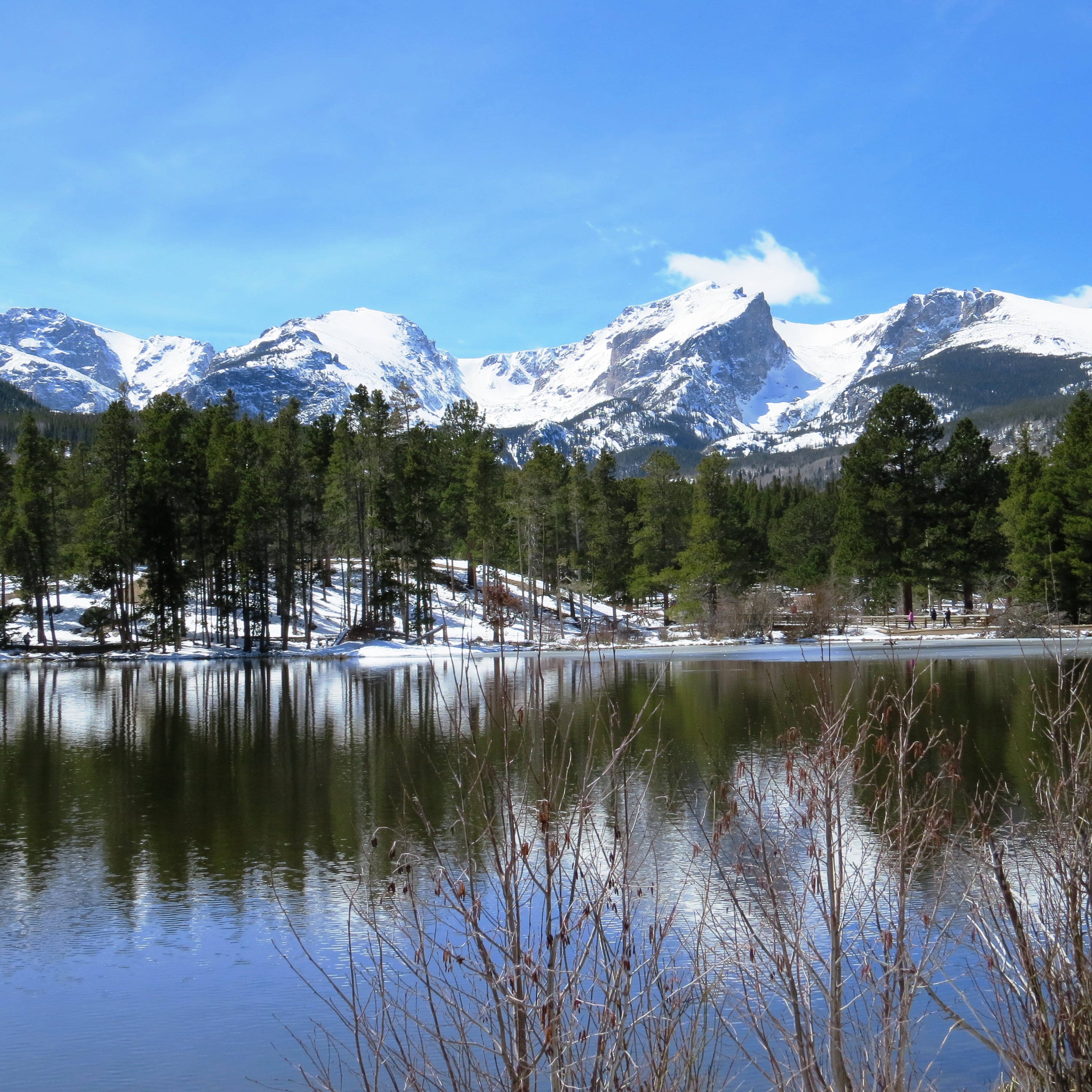
I have had the opportunity to visit this park in spring, summer and fall and I must admit that each season was very unique in its own way. Early spring had many of the park roads closed due to snow and ice – but it was wonderful hiking around frozen lakes in the snow and watching locals suit up for cross county skiing and snowshoeing. It was truly a winter wonderland with pristine snow, bright blue skies and few people. Summer brought out the green grasses, new forest growth, and fields of beautiful wildflowers. The temperature was great and the streams and lakes were crystal clear and very cold from the icy snow melt. Fall was a burst of colors. The trees turned every shade of yellow, orange and red and stood out from all the green pines, spruces, and firs. Animals were more visible as they were “chowing down” and storing fat before the winter came. Each season brings something new and different to the park and I was lucky to witness the various stages.

I have many favorite memories from my visits here. I loved hiking at a couple of the lakes with my husband last April. We trudged through deep powdery snow and followed trails through the forest along the water’s edge. The weather was mild and the sky was bright blue. John Denver’s music played in my head, “the serenity of a clear blue mountain lake” could not have been more appropriate. We sat and drank it all in. On another visit the following year, we hiked over a field of granite boulders and enjoyed a picnic at the Alluvial Fan. The waterfall here was amazing! One of the best experiences I had at Rocky Mountain National Park was a late summer morning when my friend Britten Echols and I arrived early to spend the day there exploring. Our first stop was at Sprague Lake. We were immediately shocked at the sight of a nearby momma moose, a baby moose (hidden in the grass close to us) and a young male moose  – both calmly standing in the lake eating moss. It was a “pinch me” moment and certainly not something we were used to seeing everyday in Texas! We walked around this entire lake and had a great picnic lunch before heading off for an afternoon hike around Bear Lake. By the end of this magical day, we had encountered several chipmunks, mule deer, a huge rutting elk, and a whole herd of bighorn sheep. It was an unbelievable day.

If you enjoy wildlife, adventure and nature – add Rocky Mountain National Park to the top of your bucket list! This whole park encompasses a breathtaking collection of mountains (most with elevations over 12,000 ft.), high tundras, gorgeous vistas, dense forests, 7 glaciers, 2 waterfalls, 147 lakes, and a treasure trove of animals. You can camp, rent a cabin, book a hotel in nearby Estes Park, or drive from the Denver area for a day trip. The park is open 365 days a year, 24 hours per day. Cost can range from $20-$70 per day, depending on the season, and I can promise the trip will be priceless!

“The mountains are calling and I must go.” – John Muir

Me too, John….me too.

Please feel free to leave comments regarding this blog. I love to hear about your experiences and insights pertaining to the places I write about. I would also appreciate you subscribing to my Southern Savvy Blog so that you can continue reading about my travel and dining adventures. Thank you!